


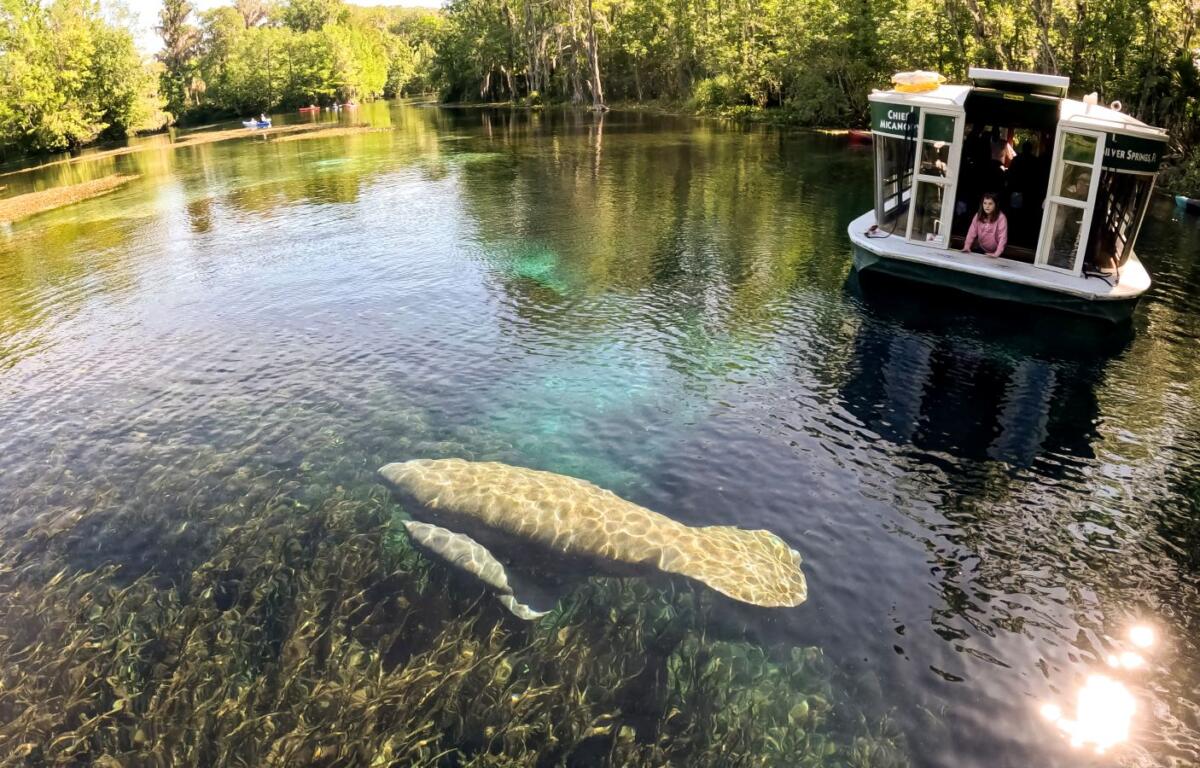

OCALA, FL (352today.com) – Turn on a faucet in Ocala, and water appears. It feels effortless. But that water has been on a long journey, slowly filtering down through layers of limestone before it reaches you: through your tap, your irrigation system, or rising up as one of our famous springs. The same water you drink and water your lawn with is the same water feeding Silver and Rainbow Springs. It’s all one connected system.
And right now, that system is under pressure.
We’re Spending Faster Than It Rains
Think of the Floridan Aquifer as a savings account. Rain slowly deposits water, soaking into sandy Florida soil, filtering down through porous limestone to join water stored underground for thousands of years. Withdrawals happen fast: every faucet, every irrigation system draws from the same account. And as demand has steadily grown, we are taking out more than rainfall is putting back in.
That’s not a distant problem. It’s happening now. The St. Johns River Water Management District (SJRWMD) refers to this as a “water shortage,” not an empty tap, but a widening gap between supply and demand. Silver Springs has already lost roughly 32 percent of its flow since the 1930s. And with an active water shortage order now covering the City of Ocala, the pressure on the aquifer is only growing.
Less Water Means More Than Just Less Water
The Silver River is running low right now, and Rainbow Springs is feeling it too. This past year put extra pressure on the aquifer: Well below average rainfall and heavy pumping for agricultural frost protection have all drawn from the same account.
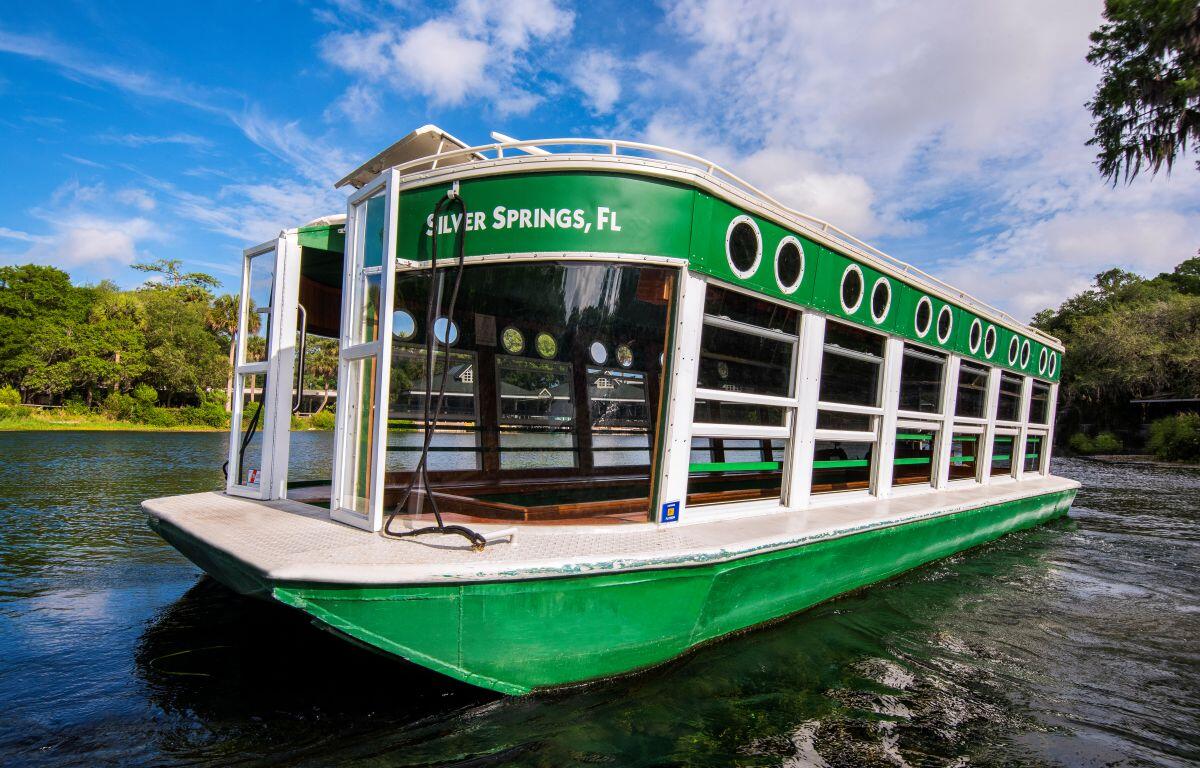
Reduced spring flow means warmer water, less dissolved oxygen, and a disrupted ecosystem. Combined with the nitrogen and phosphorus that drain in from yards, fertilizers, and septic systems over time, these conditions create the right environment for algae to take hold. That process has a name: eutrophication. It is one of the primary reasons the SJRWMD has flagged several Outstanding Florida Springs in our region as impaired. The springs are a window into the health of the entire aquifer. What we see at the surface tells us exactly what is happening underground.
The Good News: What We Do at Home Actually Matters
More than half of all household water use in Florida during warmer months goes to outdoor irrigation, most of it at the wrong time and in the wrong amounts. That one habit, changed across thousands of Ocala households, would make a real difference. And it is not just about volume. Fertilizers, chemicals, and pet waste drain into the ground and eventually into the springs. Our yards are connected to the springs, whether we think about it or not.
This Water Conservation Month, the City of Ocala is focused on one thing: protecting our springs. Here are simple ways you can help do your part:
- Fix leaks: A dripping faucet wastes gallons every day. Download the EyeOnWater app to track your usage and catch problems early.
- Water efficiently: Follow local irrigation schedules and consider a smart system that only runs when your lawn needs it.
- Plant smart and fertilize responsibly: Choose native and drought-tolerant plants that work with our climate, not against it. Less water, less runoff, healthier soil.
- Keep pollutants off the ground: Never dump chemicals in the yard or down a drain and always pick up pet waste. What hits the ground here ends up in the springs.
A Responsibility Inherited Across Generations
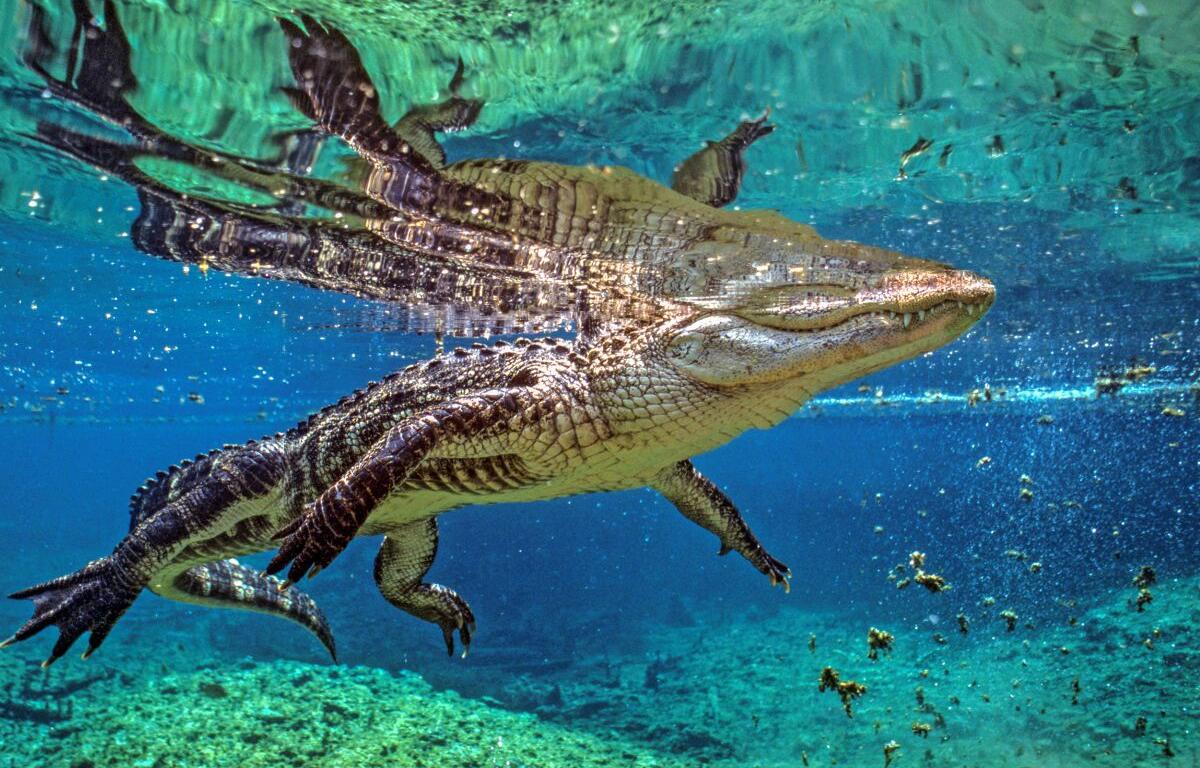
Long before Ocala had a name, people relied on these springs for survival. They provided fresh water and food in a tough landscape that demanded both. Over time, the Silver River and Rainbow River became natural pathways, connecting people, trade, and life across the region. The springs nourished their world, and they nourish ours. That responsibility doesn’t start with us, but it passes through us.
Every drop saved this April is a deposit back into something that belongs to all of us.
Learn more and explore resources at ocalafl.gov/waterconservation.