


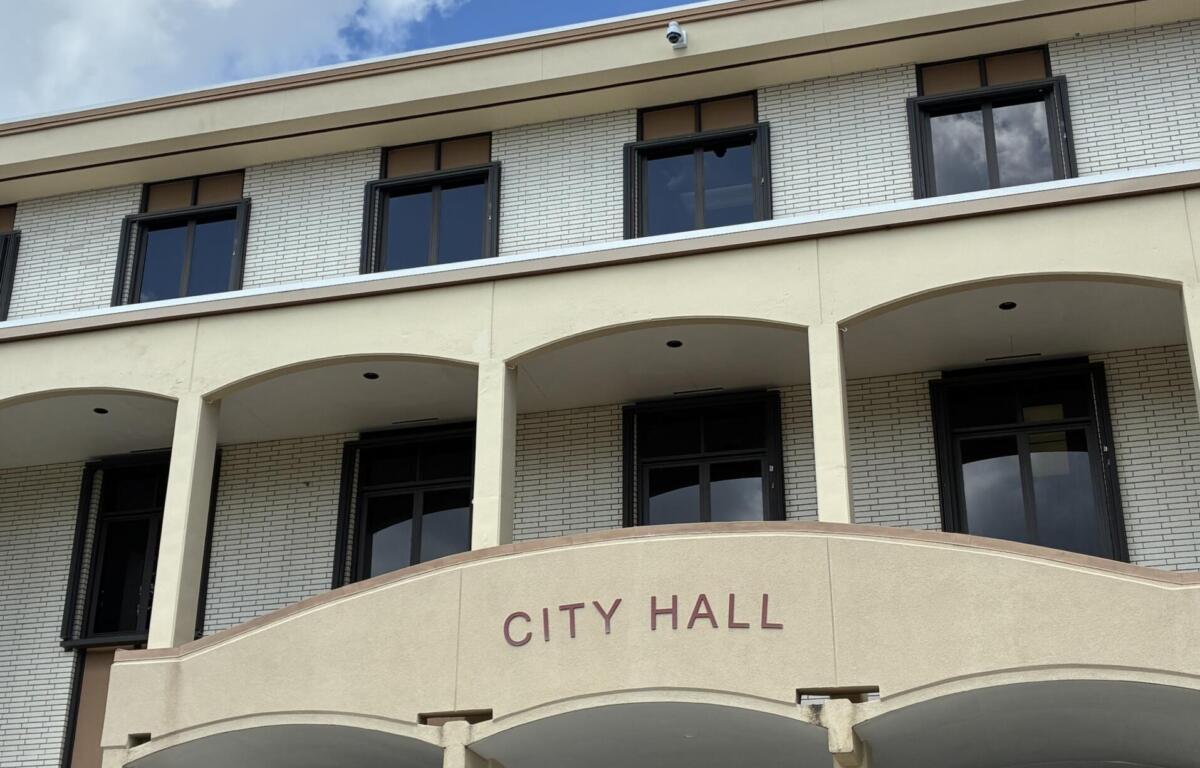

OCALA, FL (352Today.com) – On a weekday afternoon around the downtown square, Ocala still looks handmade: coffee-colored brick, iron balconies, palm trees, and oak-shaded streets. The sun catches the old storefronts and, for a second, the street feels finished. Then you hit the dark glass. A boutique that lasted 16 years is gone. A pantry that lasted 18 years is gone. A restaurant that lasted 17 years is gone. New places have opened a block over. Two hotels and a second parking garage are rising. Between those bookends sit the empty first floors the city now wants to buy back into retail.
City officials are writing a new grant to do it. The proposed Downtown Community Redevelopment Agency (CRA) Retail and Restaurant Attraction, Retention & Expansion Grant would put $500,000 of tax-increment money on the table and reimburse up to $150,000 per project if the CRA Board adopts the program before year’s end. The city will reimburse 75% of approved, eligible work. The owner or tenant pays the other 25% out of pocket. The city’s share cannot exceed $150,000.
Public Information Officer for the city of Ocala, Gregory Davis, said the Downtown Redevelopment Advisory Committee has already seen the draft, File 2026-2077. The committee did not create the program, staff within Growth Management did. It sent back feedback. Staff are finishing the framework now. According to Davis, the CRA Board is scheduled to take it up before the end of the calendar year. Regular CRA meetings are set for Oct. 20 and Nov. 17.
The CRA vote is the real start date. Since July 31, 2026, the city has frozen all CRA grant applications while it revises its current program and guides. Davis said the old Downtown Commercial Building Improvement Grant, which is a 50/50 match capped at $50,000, dies if the new program is approved. Applications for the replacement do not open until the board signs the rules.
The old program was not unused. Davis said three downtown businesses applied in fiscal year 2025-26. “Incentives were made available through the Downtown Commercial Building Improvement Grant program. Three businesses applied and were awarded grants during fiscal year 2025-26.”
The new draft is built for a different problem: vacant ground floors and a thinner mix of shops after a string of longtime closures, among them Pink Hanger Boutique, Stella’s Modern Pantry and La Cuisine. Other names from the last few years include Brown Dog Coffeehouse, Shannon Roth Collection, The Keep, Molly Maguire’s and Night Owl Bakery. Newcomers such as Mellow Mushroom, MOOYAH, Gathering Cafe and District Bar & Kitchen have filled some of the gap. The grant is aimed at the storefronts still dark.
Davis would not give the current downtown vacancy rate. “Not available at the moment,” he said. The point of the money, he said, is ground-floor uses that put people on the sidewalk. The draft itself leans on two older studies: a 2013 Gibbs Planning Group report that said downtown could support another 86,000 square feet of retail and restaurant space and more than $28 million in new sales, and a 2024 Urban 3 analysis that found the Downtown CRA draws tax value from only 47% of its properties.
The $500,000 is not a pot already sealed off from the rest of the budget. Davis said grant funds move through the annual Downtown tax increment financing (TIF) process. The $150,000 cap is real, and the city would cover 75%, but no one is guaranteed the maximum. Each application still has to go to the CRA Board.
Reimbursement would come in three installments, so the check can cover both the build-out and the first stretch of operating costs. Permits, taxes, and other government fees do not count.
Who can collect the money is narrower than the old commercial grant. The city wants apparel, bookstores, specialty food, coffee shops, enclosed restaurants, galleries, jewelry, groceries, and similar shops that live on walk-in traffic. Section 7.2 of the draft framework states that first-floor salons, offices, tattoo parlors, consignment shops, drive-throughs, pawn shops, check-cashing, dollar stores, vape shops, auto uses, adult businesses and bail bonds are out. Davis said the list is about foot traffic. Tattoo shops and drive-throughs, he added, are not allowed in the Form-Based Code district anyway.
The work list is split. Priority items include flooring and ceilings, HVAC, plumbing, electrical, fire and accessibility upgrades, tenant fixtures and equipment, walls, metal awnings, storefront glass and major retail additions. Lighting, painting, doors, windows, signage, reroofing, and fixed kitchen equipment only count as part of a larger job. Soft costs, the applicant’s own labor, parking lots, loose furniture, small appliances, and anything started before approval are ineligible. Ground-floor space comes first. Upper-floor apartments can ride along only if the first floor is getting a real retail renovation.
The city wants the investment to stay put for five years. Owners and tenants would have to occupy the space, keep the funded work in place, and hold rents to the rates locked in when the grant is paid. The city would record a forgivable lien equal to the award. The lien drops 20% a year and vanishes after year five if the conditions hold. Sell early, change tenants, or strip out the work, and the remaining balance comes due. The draft puts that liability on the property owner. If a tenant is the applicant and leaves, both the tenant and the owner would owe what is left.
When asked who writes the check if a tenant leaves or the rent jumps, Davis said those guidelines are still under review. The intent is to keep the business downtown and protect the public investment.
The grant also will not stack onto another unfinished CRA or TIF deal for the same work. Davis said each grant must be finished before another is considered; the scope must be new, and finished work does not qualify. Separate hotel incentive packages already approved downtown sit on their own contracts.
The awards themselves would be public. Applications and dollar amounts are discussed at the CRA Board and approved with a majority vote. Prior grants listed the figure in the agenda packet. Future ones will too, Davis said.
Once an award lands, the clock is short. Permit applications would be due within six months. The job would have to be finished within a year, unless the board grants more time for a complicated build.
Until the CRA Board votes, a shop owner cannot apply for any of it. What the city has decided so far is the outline of the deal: a handful of much larger awards, aimed at restaurants and retail that fill the Square’s first floors, with a five-year lien attached.
Empty storefronts are the reason. The board has until the end of the year to decide whether that deal becomes the new grant.