
OCALA, FL (352Today.com) – Picture this: You’re on a deadline, and you’ve spent five hours polishing a school or work document until it’s finally perfect. You hit print, and the printer jams, dies, or spits out an error because the $25 ink cartridge you replaced last week is already gone.
What do you do?
Or: You’re a new college grad and a potential employer needs a scanned document by the end of the day to move forward with a job offer. Scanners cost real money. You don’t own one.
What do you do?
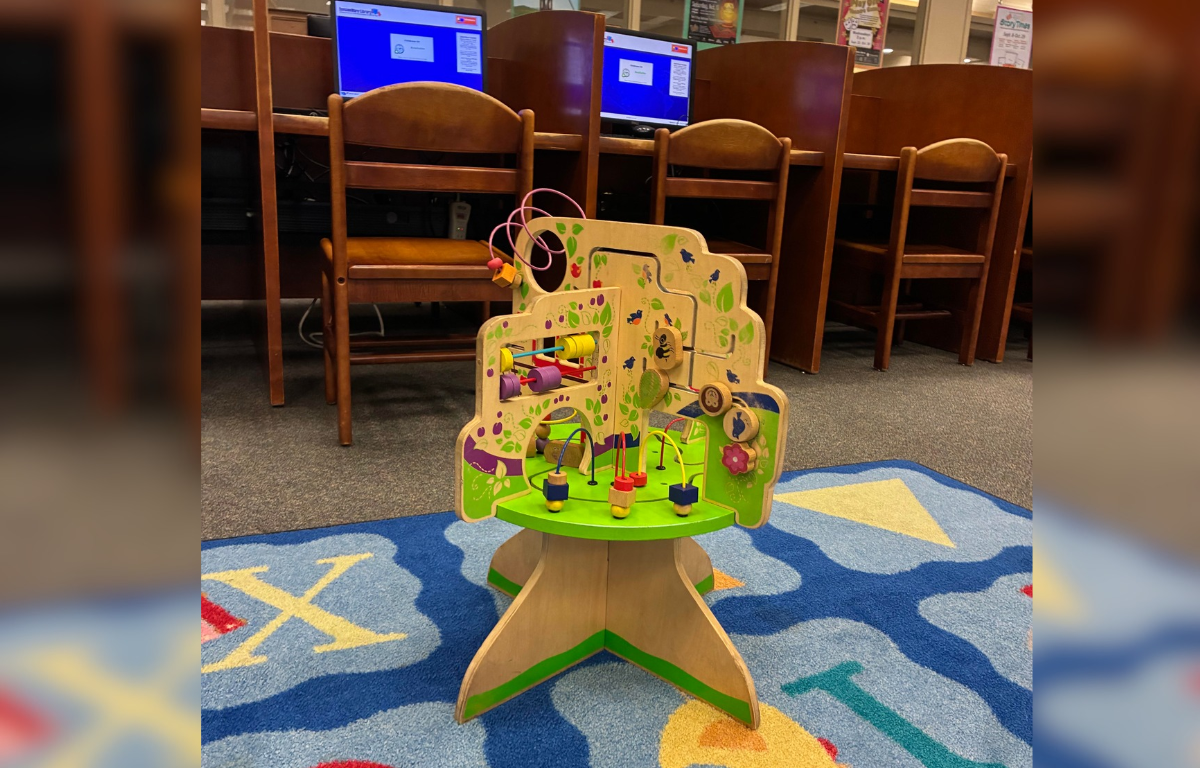
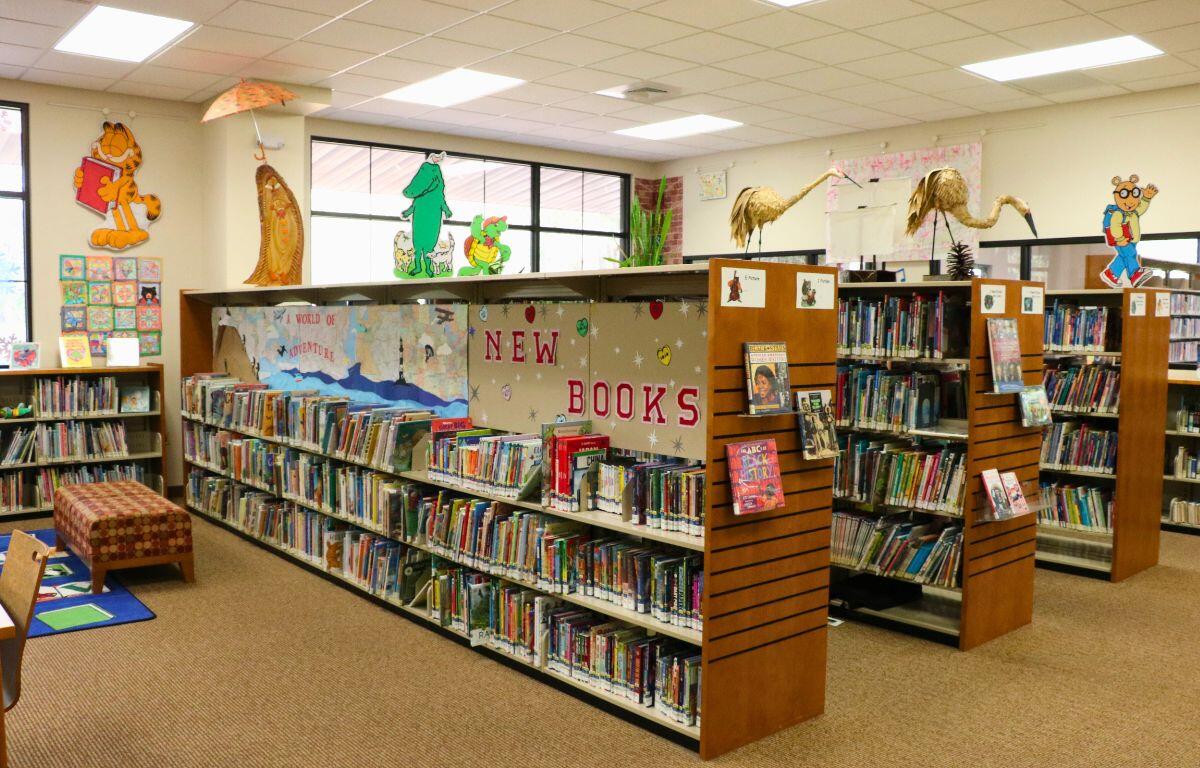
Or: You’re a stay-at-home parent on a meager income, and the toddlers have hit their limit, you’ve hit yours, and the only thing that might save the afternoon is a free storytime or a cool place to run them out of the house without spending money you do not have.
What do you do?
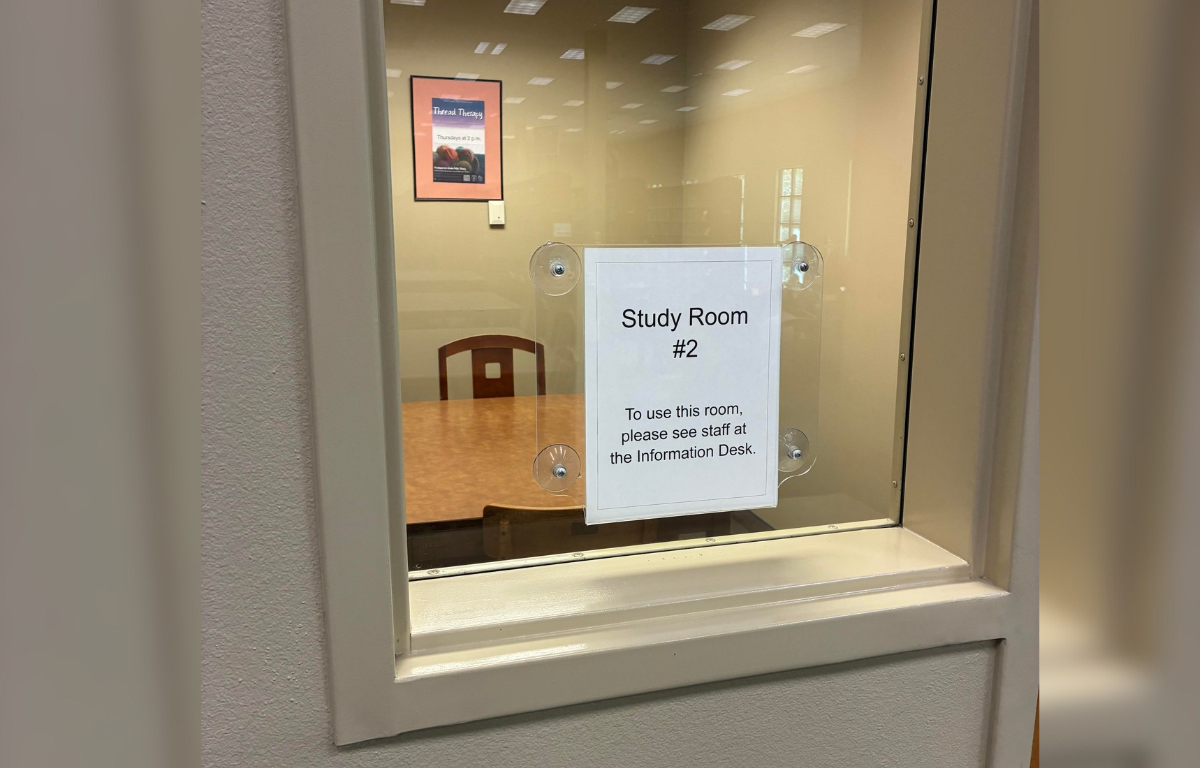
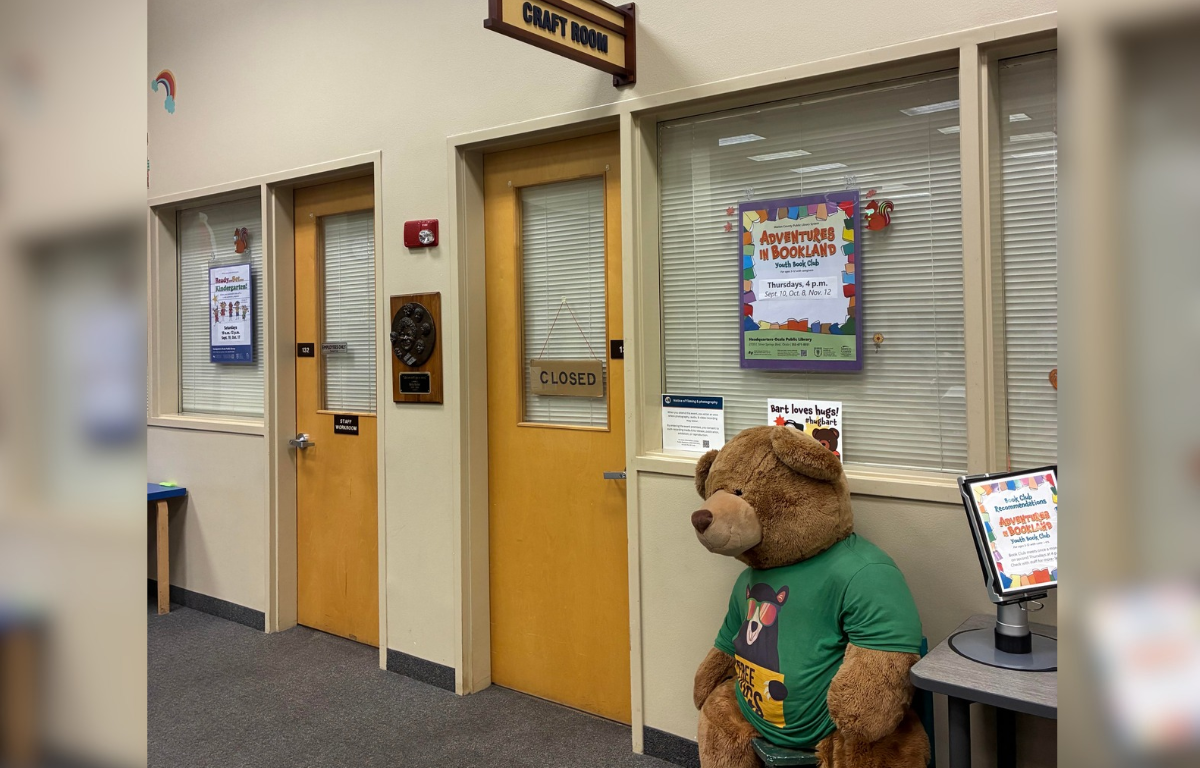
Or: You need a quiet room for a study group, a job interview prep session, or a community meeting, and your living room simply isn’t big enough.
What do you do?
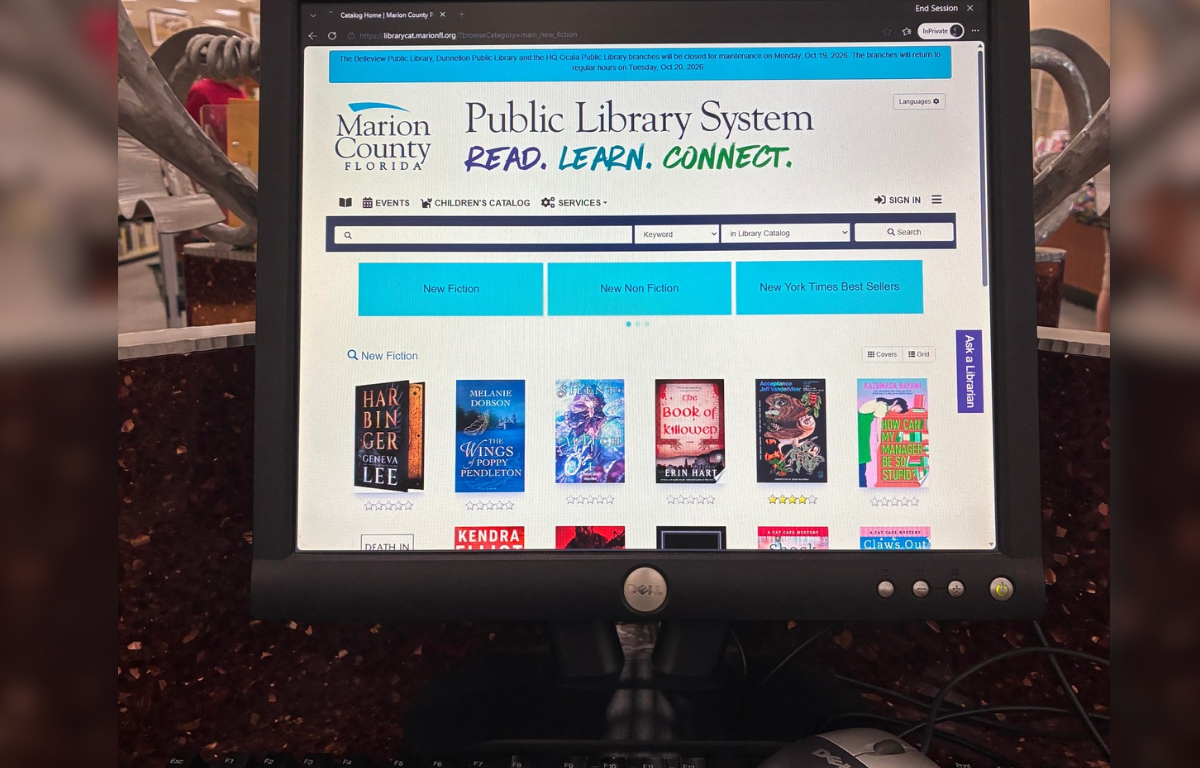
You’ve almost certainly heard the line: “Nobody goes to the library anymore.” The answer to every one of those moments has been the same for generations: the library. It’s where the printer works when yours doesn’t, where the scanner is free when you can’t afford one, where the programs are free when the budget is tight, and where the space exists when your home doesn’t have it.
That answer is now on the ballot.
In an October 21 statement, the Florida Library Association warned that Amendment 3, which voters will decide in the November midterms, would cut locally controlled revenue for cities and counties and put public libraries under additional financial pressure. The association wrote:
“If passed, Amendment 3 will significantly reduce locally controlled revenue available to Florida’s cities and counties. Without a clear and sustainable replacement for that revenue, the amendment will place additional pressure on funding for public libraries and other essential local services. For libraries, reduced local resources will mean fewer hours, reduced staffing and programming, fewer materials and technology resources, and will seriously reduce access to services for the communities that depend on them. For these reasons, the Florida Library Association joins the Florida Professional Firefighters, Florida State Fraternal Order of Police, Florida Fire Chiefs Association, Florida Recreation and Park Association, and other organizations in opposing Amendment 3.”
Locally, the numbers are concrete. Marion County estimates the expanded homestead exemption would reduce the General Fund by $19.55 million in fiscal year 2027-28 and another $15.4 million in 2028-29. Libraries, which draw funding from the General Fund, are projected to absorb roughly $6 million of the first-year hit, which is about half the system’s current budget.
In a statement provided to 352Today, the Marion County Board of County Commissioners said:
“Marion County continues to evaluate the potential impacts of Florida’s proposed property tax amendment on County revenues, future budgets, and the services residents rely on. Estimates indicate the County could experience a revenue reduction of approximately $90 million over the next two fiscal years, compared with an estimated $317 million in property tax revenue collected during that period. These reductions could significantly affect the County’s ability to fund essential services, including public safety, parks, libraries, and other County operations.
“The Marion County Public Library System is funded through the General Fund, which is projected to experience a revenue reduction of approximately $35 million over the next two fiscal years. Without adjustments to current tax rates or fee structures, the Library System could face a reduction of approximately $6 million in 2027, equivalent to roughly half of its current budget. A reduction of this magnitude could place library branches, outreach services, operating hours, books and other materials, digital resources and databases, public programming, and staffing at risk.
“The County will continue to evaluate the potential financial impacts and consider available options as it develops future budgets. No final decisions have been made regarding budget allocations or service changes. Our priority is to understand the full implications of the proposed amendment and make informed decisions that responsibly balance available resources with the needs of our community.”
Here is what that could mean for the people who still use the library:
- Fewer or closed branches, reducing access across the county.
- Shorter operating hours at the locations that remain open.
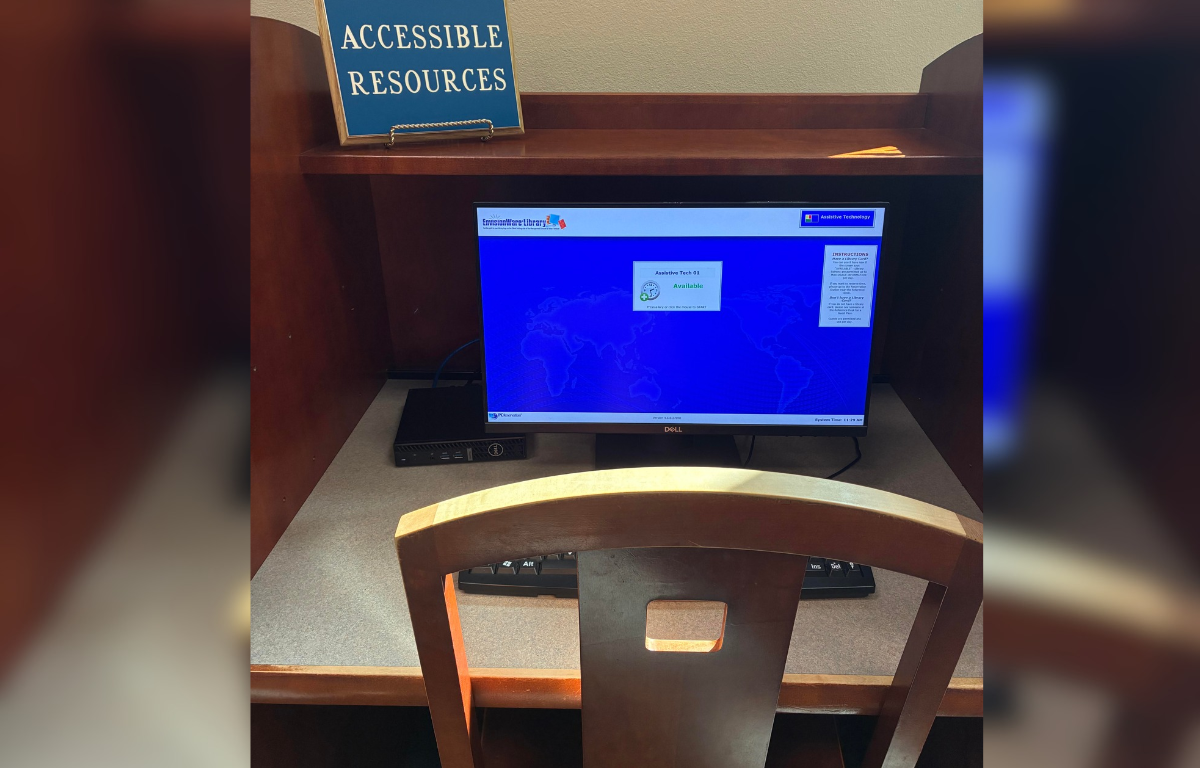
- Reduced availability of public computers, printers, and scanners, or longer waits and higher fees, because these tools depend on the staffing and operations budgets that would be cut.
- Fewer books, materials, digital resources, and databases.
- Cuts to programs for children, teens, and adults, including storytimes, digital literacy classes, and job-help workshops.
- Staff reductions, meaning less help at the desk and fewer people available to keep technology running.
- Loss of free or low-cost meeting and study rooms used by students, job seekers, and community groups.
- Reduced or eliminated outreach services that bring resources to residents who cannot easily reach a branch.
For now, the free printers, scanners, computers, programs, and spaces that answer the scenarios above remain available at Marion County libraries. Whether they stay at current levels depends on the November vote and the budget decisions that follow.