


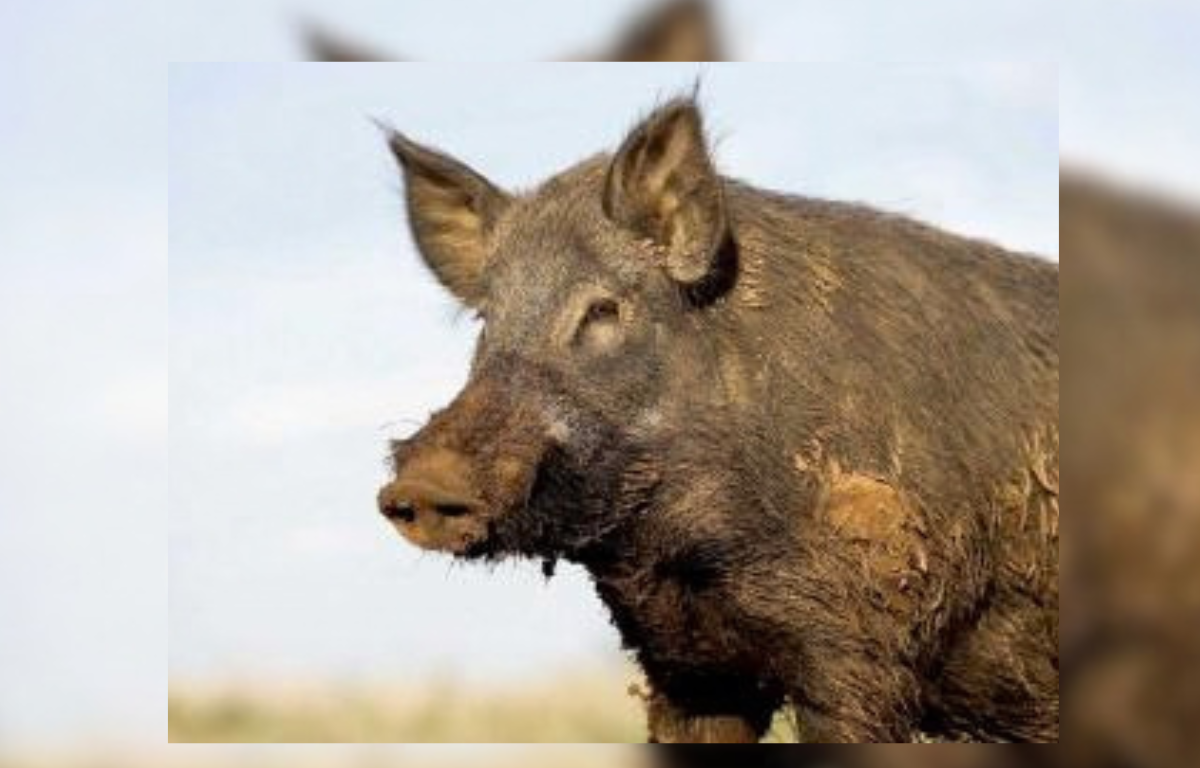

OCALA, FL (352today.com) – The Southwest Florida Water Management District will again use permitted hog-dog hunts to cut the feral hog population on District lands in 2026-27, including two hunts at Marion County’s Hálpata Tastanaki Preserve.
Phase 1 permits go on sale at 9 a.m. Oct. 6 here. Permits cost $75 each, are nonrefundable, and are no longer transferable. Sales are first come, first served until they sell out; the District says they typically go quickly. Registration closes when permits are gone or at midnight the Thursday after the sale date, whichever comes first.
Phase 2 registration opens at 9 a.m. Dec. 3.
All District hog hunts use the hog-dog format. Still hunts are not offered. One hunter, two assistants and three dogs are allowed per permit.
Marion County dates
Hálpata Tastanaki Preserve (7,736 acres):
- Phase 1: Nov. 3-5, 2026 – 25 permits
- Phase 2: Jan. 26-28, 2027 – 25 permits
The preserve will be closed to the public during those hunts. Only permitted hunters may enter.
Other Phase 1 sites (Oct. 27-Nov. 19) are the Alston Tract at Upper Hillsborough Preserve, Edward W. Chance Reserve–Gilley Creek Tract, Flying Eagle Nature Center, and the Hampton Tract plus closed-area tracts at Green Swamp Wilderness Preserve. Phase 2 repeats those sites in January 2027.
How the three phases work
Phases 1 and 2 each include five three-day hunts. The top producer on each of those hunts is added to the District’s “top producer” list and offered free, nontransferable Phase 3 management hunts.
Phase 3 hunts run as needed from March through October 2027. Qualifying Phase 1 and Phase 2 top producers with no rule violations will be offered at least four of those hunts on Green Swamp Wilderness Preserve East and West tracts, Flying Eagle Preserve, and Potts Preserve.
Anyone who breaks hunt rules or is cited for poor behavior can be dropped from the incentive list at staff discretion, with a chance to dispute the decision.
Why the hunts exist
Feral hogs are not native to Florida. They root wetlands and uplands with their snouts, leaving ground that looks plowed. They prey on native wildlife, compete for food, can spread disease to wildlife, livestock and people, and can help exotic plants take hold by moving seeds and opening soil.
This will be the 18th consecutive year of the District program. Last year’s hunts removed 795 hogs on 14 tracts, the District said.
A full list of hunt dates, maps, and regulations is available here. Hunters must print and bring a signed liability waiver plus the hunt map; the District will not provide those on site.