



(EDITOR’S NOTE: An earlier version of this story mistakenly reported that Vincent Hampton advocated for renaming Historic Haile Homestead rather than the development known as Haile Plantation. This has been corrected. 352today regrets the error–ed.)
GAINESVILLE, FL (352today.com) – Gainesville community activist Vincent Hampton wants people to know the Haile Homestead’s whole story and wants to see transformation as it relates to the area’s history.
“Instead of trying to change things it’s more about building things,” said Hampton. “I feel very strongly that the development known as Haile Plantation needs to be renamed, that’s been an ongoing conversation for several years, and it keeps hitting those brick walls, deed restrictions and stuff like that.”
Hampton has talked to a number of people and saw how much money has been spent on signage and beautification, with millions of dollars invested, especially in Gainesville, where there’s a lot of history–and a lot of it is uncomfortable, said Hampton, but he feels like Gainesville has just covered it up.
“I’m dealing with these people that really don’t know about the history,” said Hampton. “I can’t really blame them. There’s really no evidence if you dig deeper, unless you actually research stuff, which in most cases people aren’t going to do. I have a deep understanding of the Haile family, and their history, and that’s why it makes me uncomfortable, how we hold them up and they have this perceived legacy of being innovators and resilient. Pretty much all of that legacy is tied directly to having slaves, had they not had slaves, it would be completely different. We probably wouldn’t even know who they were. That’s kind of like where the framing is coming from.”
Hampton would like to see a memorial for all of the families–the enslaved families that actually made the sacrifice, put in the work, and to this day haven’t been properly compensated or memorialized, remembered or protected–at the Haile Village Center. It’s a quaint little section of Haile Plantation that has the farmer’s market, a fountain, and plenty of foot traffic. It’s a beautiful little area, said Hampton, who believes the Village Center has plenty of opportune spaces.
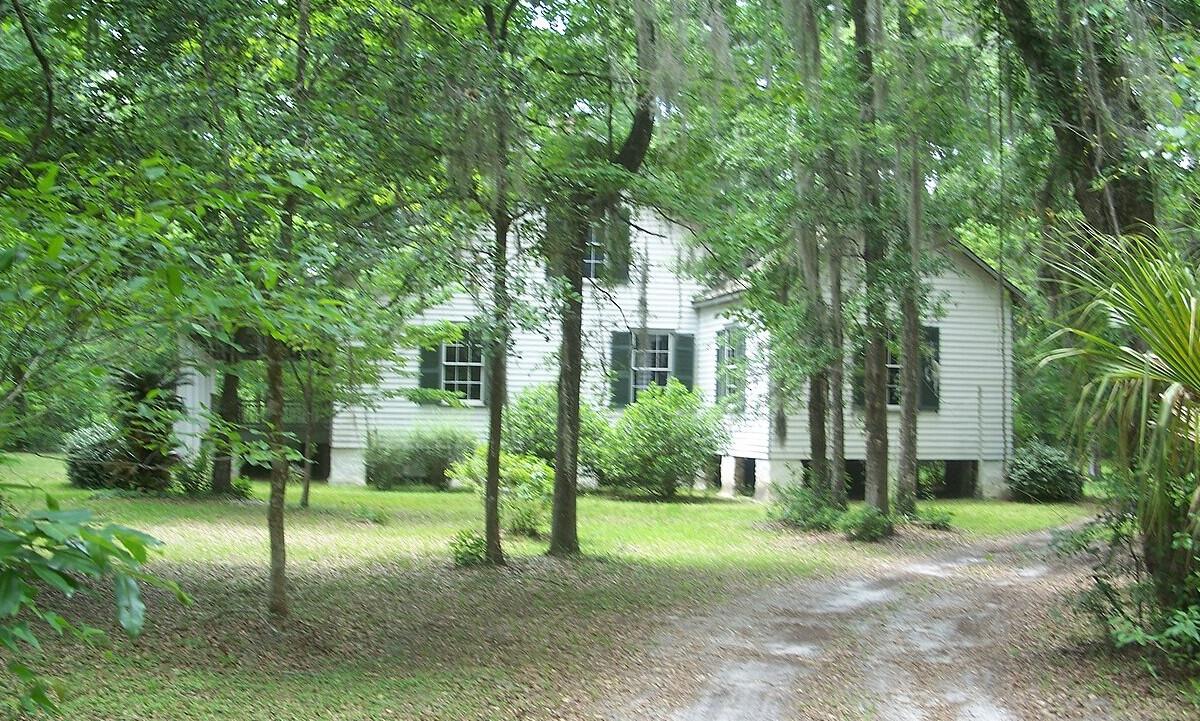
“There’s a separate little property, where the actual Haile house stands, and that’s more like a museum, but again, not a lot of people visit that, not a lot of people go,” said Hampton. “If we had a memorial that was more publicly situated, it’s far more appropriate, just given the history. I’ve connected with several Black leaders in the Gainesville community. They’re all on board. The goal is to do this as a collective. It’s going to be a collective push from the Black community.”
Hampton’s goal is for Black leadership and descendants to have control over the memorial, approve the monument, and ideally find a talented Black artist to commission, to make the vision become a reality.
“The Haile House Museum is currently funded partially by Alachua County, through Visit Gainesville, there’s an initiative,” said Hampton. “Given how they’re telling the history and how it’s sanitized, whitewashed. It’s very geared toward protecting the Haile’s legacy, not telling the full truth. When her husband and son fought for the Confederacy, she had to maintain the whole farm by herself, since they had 16 kids, so it was just overwhelming for her. She had 56 slaves, the way that they just tell the history, is just inaccurate, or it’s like empathy farming for the wrong people.”
The Haile family went bankrupt, but they were resilient and recovered. When Hampton would ask the docent at the site what happened, however, she attributed it to bad crops. Hampton wants people to understand the historical truth that Abolition actually contributed directly to the bankruptcy.
“It was literally the year after slavery was abolished, they went bankrupt, and then they recovered because they received reparations from the federal government,” said Hampton. “Their legacy, I feel, is essentially built on lies.”
A lot of the community work that Hampton’s doing today is tied to the damage that was done. He receives a lot of pushback, he said.
“One of the main reasons that I’m pushing for projects like this, is so people can understand the history, and more importantly understand where we’re at today, and the work that needs to be done,” said Hampton. “There hasn’t really been repair, and I see it in my work every day. I don’t think a lot of people really have this experience, this knowledge, so they don’t really see it. We have to do a better job of telling our full history, not just trying to cover it up and move forward, without actually repairing the damage.”