


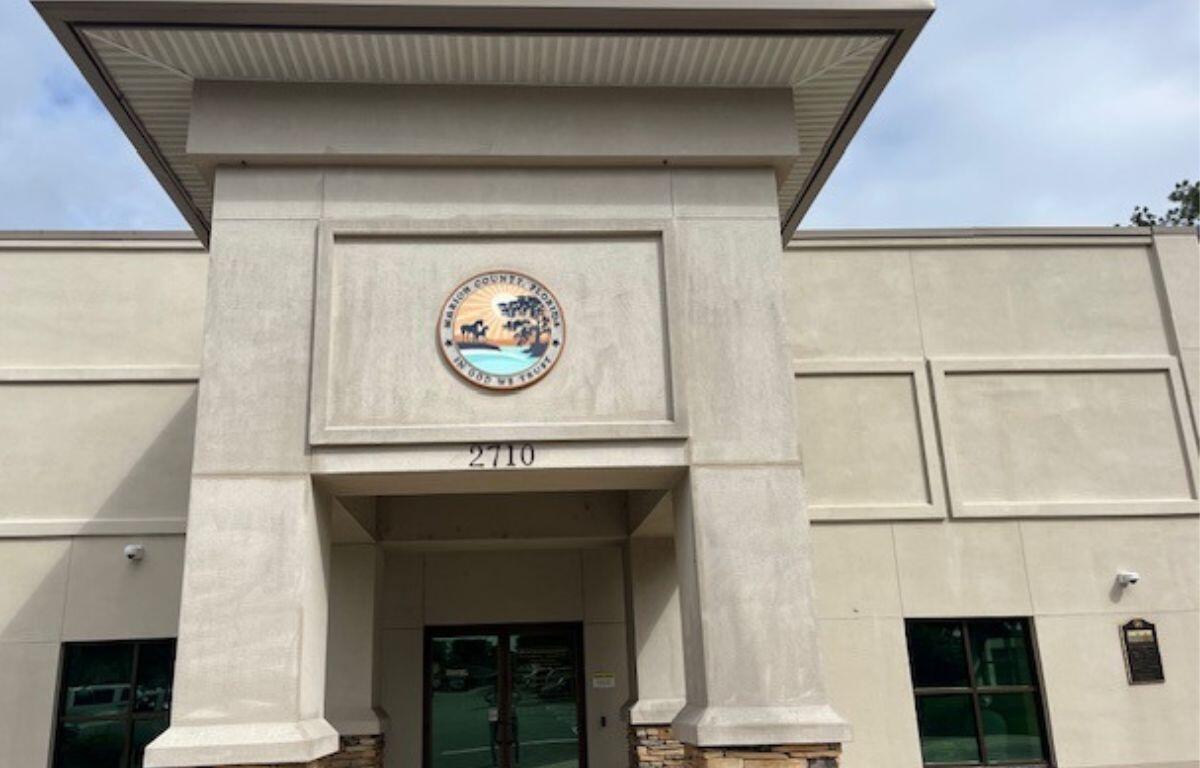

OCALA, FL (352today.com) – The Marion County Planning and Zoning Commission heard from Marion County staff regarding the Marion County comprehensive plan transmittal at its Monday, March 30, 2026, public hearing.
Marion County staff came to the Marion County planning and zoning commission in Dec. 2025, for a special meeting regarding the transmittal of the Marion County comprehensive plan, and staff went through it with planning and zoning line-by-line. They then went to the county commissioners, transmitting the comprehensive plan to the state, and the State of Florida sent it back as null and void, said Kenneth Weyrauch, Marion County growth services deputy director.
Planning and Zoning unanimously recommended accepting the changes that were recommended by staff to the language in the comprehensive plan.
The Florida Department of Commerce will do their review and then send an initial comments letter, and then they send a formal staff report, and the county will send it out to the local regional planning council, the Florida Department of Transportation, and several other agencies, including the Florida Fish and Wildlife and Conservation Commission and the water management districts. Florida Commerce, though, is the primary recipient, said Weyrauch.
“We transmitted in January, and they found three policies in the comprehensive plan that they found more burdensome due to SB 180, what it’s often referred to, and one or two policies that were concerns under Chapter 163,” said Weyrauch. “Then our direction was to fix it and go through the process to transmit again.”
Chapter 163 of the Florida State Statutes is, is the chapter that addresses community planning, and the comprehensive plan has to be consistent with chapter 163, as it is a legal requirement of the comprehensive plan. At the public hearing staff discussed the FLUE, future land use element, policy 1.1.6, FLUE policy 2.1.4 and the transportation element, which is T policy 2.1.3, and then the sanitary sewer policy. 1.1.1, which was the Chapter 163 concern, said Weyrauch.
Under FLUE policy 1.1.6, buffering of uses, the county proposed to strike the word substantial, so when it says, the county shall require new development or substantial redevelopment to provide buffering, any redevelopment would require buffering to bring the site up to code. The state said that would be potentially more burdensome. Staff put the word substantial back in as the proposed language, so policy 1.1.6 stays the same. Policy 2.1.4, open space requirement, the county switched out the word lot, residential lot for dwelling units, whereas a minimum of 350 square feet of open space for each residential dwelling unit shall be required in either single or linked multiple tracks; the state found that to be more burdensome because if you have multi-family and you have 10 units on one lot, now you have 10 times the amount of open space required. What the county was trying to do was be consistent with their recreational and open space element. Staff’s proposal is to just go back to the term residential lot.
For Transportation policy 2.1.3, the concern was a particular line that stated, the county may establish corridor specific service volumes and evaluate level of service based on detailed corridor or subarea studies. The intention behind the language change, if you were road segments out front, where you were going to exceed the level of service, the county could come up with another study as an option for the developer to look at subareas for a little bit more flexibility. The state said that appeared to be possibly more burdensome.
Staff reworked it with the intention of clarifying that it’s an optional study that the county isn’t just coming up with new studies. The new studies are options to help alleviate some of the issues, but the county provides flexibility in development.
The changes have been sent to the state, and staff is waiting for them to respond. Staff’s direction was to move it forward as fast as possible, said Weyrauch. If the language is rejected by the state again, staff will be back in front of the planning and zoning commission. Staff allowed the transportation engineers and their transportation planners to work on the language.
The Chapter 163 concern, in the policy 1.1.1 of the sanitary sewer element, there was language in the comprehensive plan that said, the level of service standard to determine demand for new development shall be established and maintained in the land development code. That was a concern because the level of service is a concurrency requirement. The state said that really needed to be in the comprehensive plan and not in the land development code. The language was stricken, and it will stay in the comprehensive plan, said Weyrauch.