



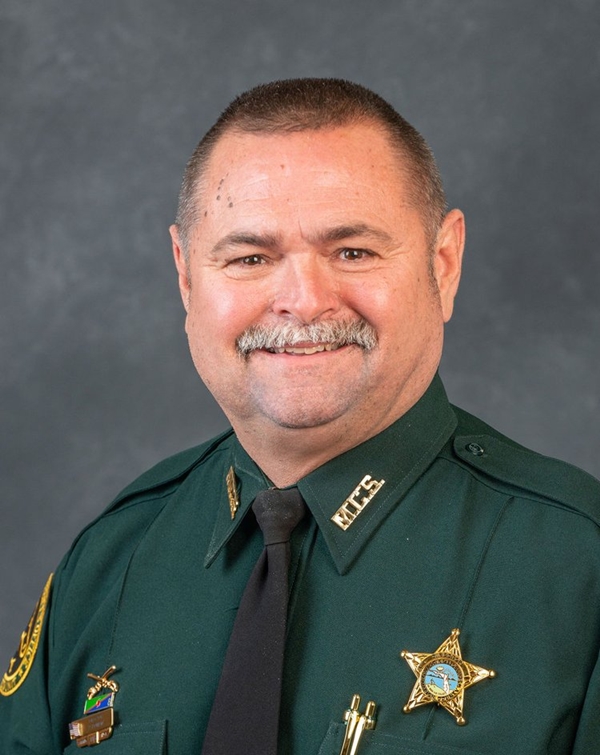
MARION COUNTY, FL (352today.com) — As hurricane season ramps up, Marion County Emergency Management Director Preston Bowlin is urging residents to take preparedness seriously – especially those new to Florida or living in flood-prone or rural areas.
“We don’t have formal evacuation routes like the coast does,” Bowlin says. “But I-75, State Road 40, and U.S. 441 are our major corridors if people need to get out of town.”
Bowlin emphasizes the importance of knowing whether your home is in a flood-prone area. “Check with the property appraiser’s office or county engineers. And review your flood insurance; know what’s covered,” he says. “Don’t wait until a storm is on the radar.”
He also urges residents to inspect their property. “We see a lot of damage from water oaks falling during storms. People should evaluate trees near their home, secure loose items outside, and understand what wind speed their home is rated for.”
One of the most common mistakes? Waiting too long to prepare. “Every year, people wait until the last minute to gather supplies or plan for shelter,” Bowlin shares. “You should have at least seven days of nonperishable food, water, batteries, medications, and backup charging options.”
For residents who rely on electricity for medical equipment or have mobility challenges, Bowlin says special needs shelters are available. “They’re equipped with generators and trained staff. But you must plan early. That includes your pets. We offer pet-friendly shelters too.”
Marion County’s emergency response begins long before a hurricane makes landfall. “We’re planning year-round,” says Bowlin. “In the 24–48 hours before impact, our Emergency Operations Center goes to full activation. We’re coordinating with state partners, pre-positioning resources, and making sure critical infrastructure, like hospitals and nursing homes, remains operational.”
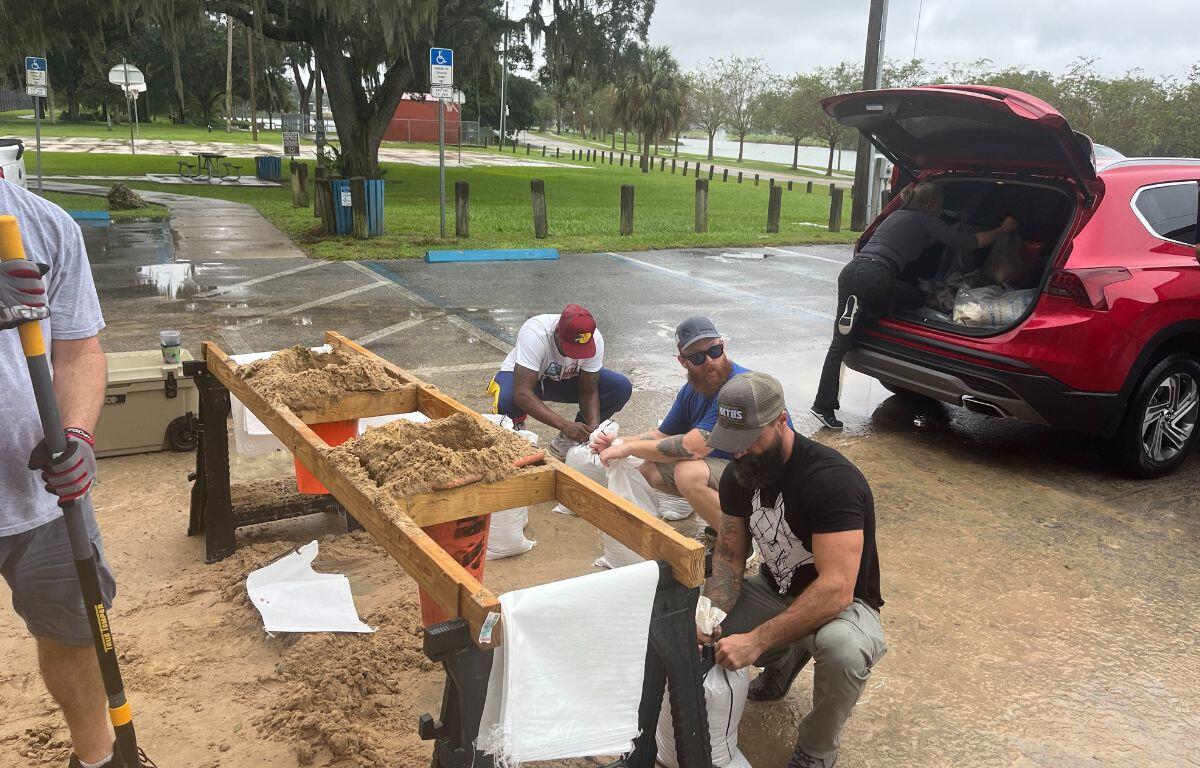
Residents can stay informed by signing up for Alert Marion at their website, or by calling 352-369-7500. “That’s how you’ll know where to get sandbags, which shelters are open, or if any roads are flooded,” Bowlin explains.
Finally, Bowlin recommends documenting your property. “Take pictures before and after a storm. Store important documents in waterproof containers. And if you use a generator, make sure it’s professionally installed to avoid fires and carbon monoxide poisoning.”
“Preparedness is personal,” he says. “Have a plan, communicate it, and don’t wait until it’s too late.”
More news that matters to you…
-
Lake County Hosts Annual Kids’ Fishing Clinic April 11
The first 50 participants will have the opportunity to take home a free fishing pole and tacklebox.