



OCALA, FL (352Today.com) – Remember when everyone seemed to be talking about Florida’s drought earlier this year?
Well, as of Nov. 20, the city of Ocala said recent rainfall has improved local water conditions enough for the St. Johns River Water Management District to lift its Phase III Extreme Water Shortage Order. The order, which covered Marion County and surrounding areas, was rescinded on Nov. 9 after groundwater and surface water levels recovered from critically low points earlier this year. With the emergency restrictions ended, the city returned to its regular winter irrigation schedule.
So, we reached out to Bob Knight on the matter. Here’s what he had to say.
Dr. Robert “Bob” Knight, a systems ecologist and founder of the Howard T. Odum Florida Springs Institute, cautioned that droughts are a normal part of Florida’s climate and will continue to occur. “We’ve just come through, and we don’t know if we’re through it, but we’ve had a pretty significant drought for the last almost two years, and that is what led to such low groundwater levels that we had springs like Poe Springs stopping flowing completely,” he said. Hornsby Spring on the Santa Fe River also stopped flowing during the dry period, and overall river flows dropped sharply. Knight noted the last major drought was in 2012 and said such events can last for years and significantly lower aquifer levels.
He emphasized that heavy groundwater pumping makes droughts far more damaging to springs and the people who rely on them.
“The thing is, we’re pumping so much that when there is a drought, we’re going to cause extreme harm to the springs and the rivers that are dependent on groundwater flow,” Knight said. Silver Springs and the Silver River, for example, have seen long-term average flows reduced by about 200 million gallons a day, roughly 30 to 32 percent of historic flow, due to pumping from as far south as Orlando and as far north as Gainesville. Rainbow Springs is down roughly 15 to 20 percent. “Not all the springs stopped flowing, but the river flow was down to very low levels during the drought, and that affects everything.”
Knight pointed to Alachua County’s approach as a model, noting the county requested that the Suwannee River Water Management District cut all groundwater permits by 20 percent. “That’s what we need to be doing,” he said. “Our research has shown that if we want to have healthy springs in the future, we need to cut back by more than 20 percent. We need to cut back at least by 50 percent.” That reduction, he explained, would give the aquifer more buffer during both normal rainfall and dry periods.
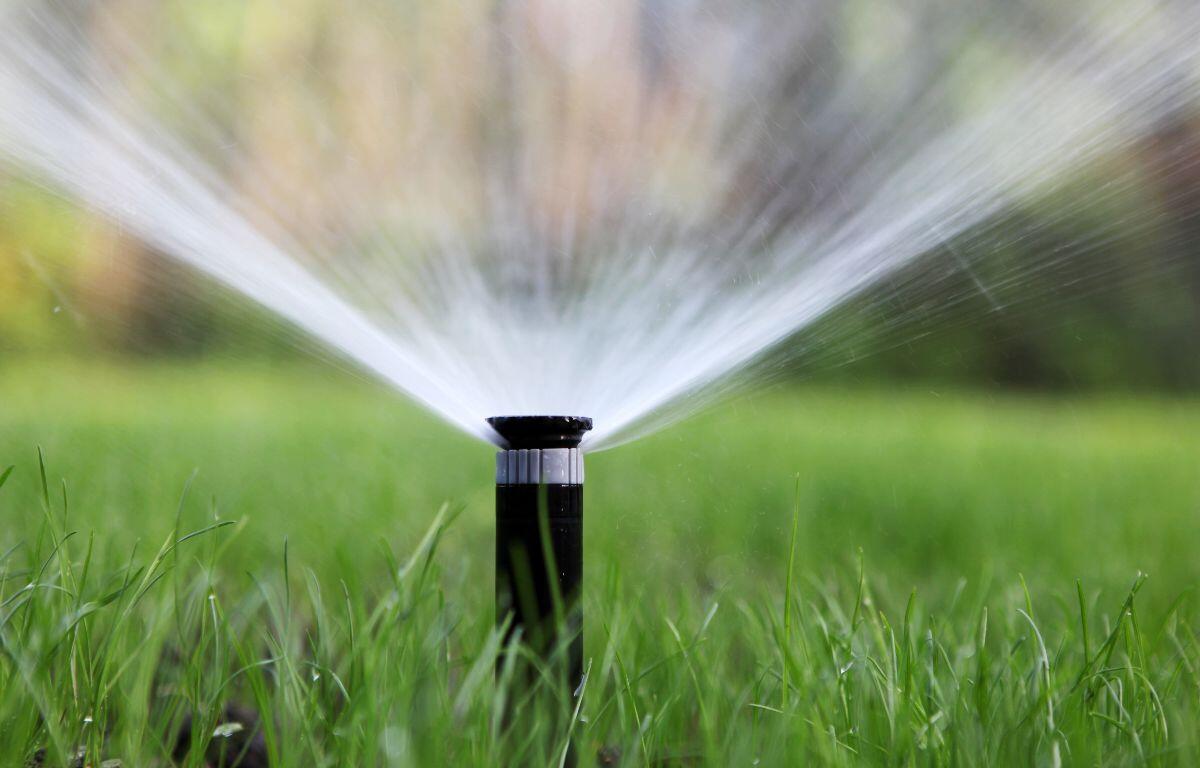
The largest share of pumping, Knight said, comes from public supply, with outdoor irrigation like lawns, golf courses, and other landscaping making up the biggest portion. “People overwater their lawns because groundwater is so inexpensive,” he said. Rainfall is actually preferable for lawns, and cutting outdoor irrigation year-round, not only during droughts, could deliver a meaningful reduction. “If we did that, we could get a 20 percent reduction in overall pumping.”
Asked about Ocala’s return to a one-day-per-week winter schedule with no watering between 10 a.m. and 4 p.m., Knight said the limits are better than unrestricted watering but fall short of what’s needed. “That’s not going to make a noticeable difference,” he said. “It’s not nearly enough to really allow the aquifer to recharge to anywhere close to what it was in history.” Agriculture is another major user in Marion County, he added, and new permits should not be issued without corresponding cuts elsewhere. “We keep digging the hole deeper instead of stopping digging the hole and starting to fill it back.”
According to Greg Davis, public information officer for the City of Ocala, residents and businesses may water lawns one day per week on their previously assigned day under the winter schedule, with no watering allowed between 10 a.m. and 4 p.m. The city’s regular irrigation restrictions remain in effect, and customers who do not follow the schedule may receive warnings or fines. The city continues to encourage residents to use water responsibly and avoid unnecessary use. More information is available here.