


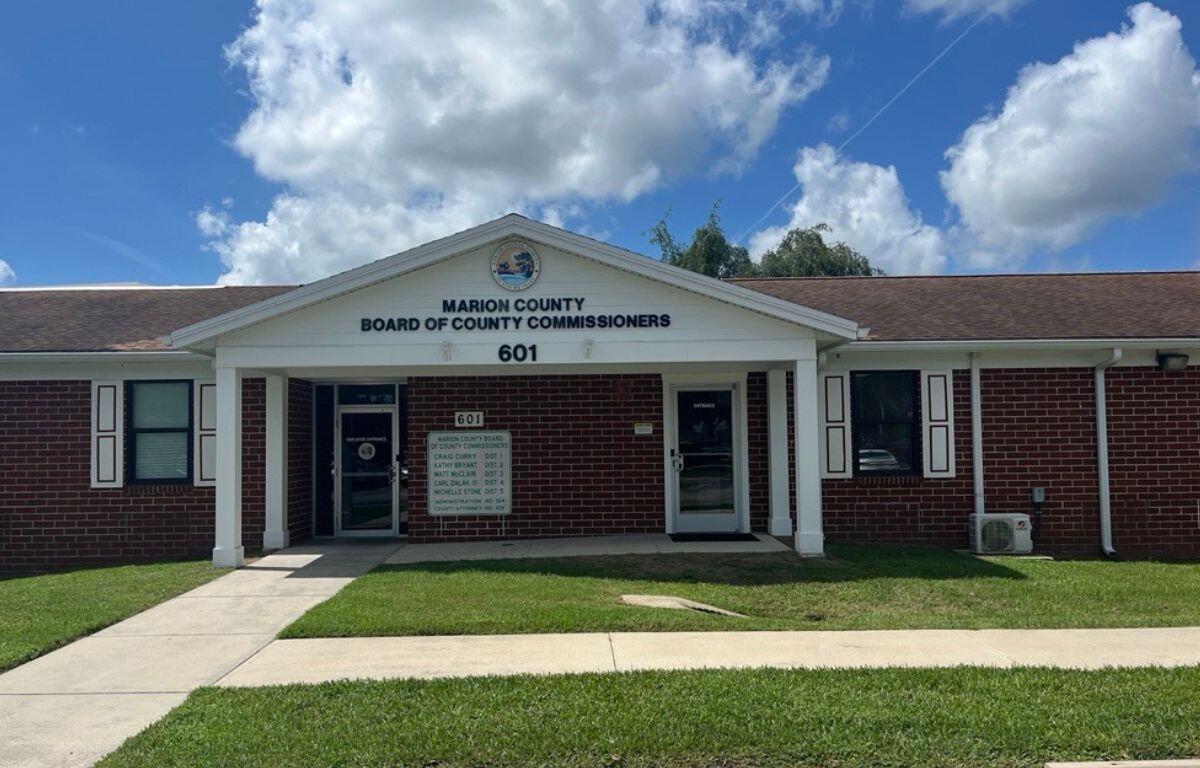

OCALA, FL (352today.com) – A presentation by county staff of the selection for the OZ-2.0–Opportunity Zones Program–census tracts, was made before the Marion County Board of County Commissioners on Tuesday, April 21, 2026. The five tracts that were identified and recommended for submission were unanimously approved by the commission.
The program is designed to encourage investors, businesses, developers, financial institutions, and other investors to reinvest capital gains into distressed census tracts, to foster job creation, said Dr. Matthew Cretul, Marion County legislative manager. The benefit is deferral, reduction, and potential elimination of taxes, on capital gains and not rebates or grants. The One Big Beautiful Bill of 2025 made the program a permanent part of the tax code and further redefines the OZ-2.0 program.
“I think this is very important to put out that this is a benefit when it comes to capital gains for someone who might take advantage of these opportunities,” said Kathy Bryant, Marion County Commissioner, Dist. No. 2.”It does not mean that they’re not paying property taxes or there’s any kind of abatement like that.”
The program is now permanent, with zones redesignated every ten years, and eligibility has been tightened. The income threshold for qualifying tracts has been lowered from 80 percent to 70 percent of area median family income, the contiguous tract provision has been eliminated, and the number of eligible tracts nationwide shrunk by about a quarter, according to the National Association of Development Organizations. The next round of zone designations begins July 1, 2026, when state governors begin a 90-day nomination window. New zones will subsequently take effect January 1, 2027, and last through December 31, 2036.
The county has been coordinating with the City of Ocala and the Ocala Metro Chamber and Economic Partnership (CEP) and does know some of their selections as well, said Cretul. They also had a joint meeting. The selections are essentially recommendations to the governor for formal approval. Marion County, the City of Ocala and the Ocala Metro CEP each have their own selections.
The first tract that the county defined was census tract 12083001500, where the median family income is $38,783, the poverty rate is 41.73 percent and the unemployment rate is 8.27 percent, but the area does have some existing assets, with some investment potential. The indicators of economic distress include blighted or underutilized land and commercial vacancy as well as the high poverty rate. The existing assets in the tract include the proximity to rail transit, proximity to major highways and interstate access, energy and electric utilities, water and wastewater utilities, broadband, universities, hospitals, industrial sites, business clusters and military bases.
The county’s second selection is census tract 12083001102, where the median income is $61,205, the poverty rate is 27.37 percent, and the unemployment rate is 2.95 percent. There is some commercial vacancy in the area, and like the other areas of selections it possesses some existing assets and has some investment potential as well.
The third Census Tract is tract 12083001211, where the median family income is $48,594, the poverty rate is 29.32 percent, and the unemployment rate is 8.54 percent. Limited commercial zoning availability is one of the big inhibitors of this tract along with a high poverty level. It does have existing assets, and there are areas for potential investments in this tract.
The county’s fourth census tract selection was 12083000201, where the median family income is $91,324, the poverty rate is 21.23 percent, and the unemployment rate is 9.73 percent. It has a very high level of poverty, but also like the others it has some existing assets in place and the potential for economic investment.
The fifth census tract is 12083002607, where the median family income is $60,217, the poverty rate is 20.41 percent, and the unemployment rate is 10.19 percent. There are persistent high levels of poverty across all of these census tracts, there is limited new capital investment in this tract, but like the others, it has existing assets and has potential.
The next steps of the program include coordinating with the CEP on supporting economic information. Cretul is in the process of obtaining letters of support from delegation members and stakeholders with the information that they’re compiling. The county has a Florida Commerce workshop on April 27, and county staff will be attending that, with the meeting being in advance of the submission deadline on May 1.
The state is going to look at all the rules and criteria that are in place, to consider what the governor will approve and send it to the federal government, said Mounir Bouyounes, Marion County administrator. Any entity can submit their request, individual property owners can submit their request, and they will all go to the state, and the state will send the final request to the federal government. It’s a long process, he said.
The more people that recommend and submit the same tract, the greater weight it will carry, between the City of Ocala and Marion County. Tract no. 15, which is along I-75, north of the City of Ocala, overlaps the city.
“I think the city is recommending that tract as number one, and we are too,” said Bouyounes, “That has a lot of economic development potential. In the county, most of the land use and zoning in that area is industrial and commercial, so there’s a lot of potential for that tract. What we will end up from the federal government, we don’t know.”