



OCALA, FL (352Today.com) – Marion County Commissioner Carl Zalak, III, announced a revised schedule Thursday for considering data center regulations, emphasizing that any pause or ordinance must follow state-mandated public procedures rather than an immediate hold.
In a Facebook post, Zalak addressed community calls to “just put data centers on hold.” He noted the idea sounds straightforward but requires a formal process under Florida law, including Florida Statute 125.66, which governs how counties adopt ordinances and moratoriums. The statute mandates public notice, hearings and opportunities for input before such measures can take effect.
Zalak invited residents to participate as the process unfolds.
“We invite our community to be informed and involved. Attend a meeting, watch online and follow along as this process continues,” he wrote.
The updated timeline begins with a Planning and Zoning Commission public hearing at 5:30 p.m. on Aug. 31, 2026. That body will review related matters and forward recommendations to the county commission.
The Board of County Commissioners will then hold a dedicated Data Center Workshop at 2 p.m. on Sept. 21, 2026. The workshop was rescheduled from its original Sept. 1, 2026 date to allow Commissioner Craig Curry time to be in attendance due to a conflict in his schedule with the original Sept. 1, 2026 date. Commissioners are expected to discuss potential regulatory approaches, impacts, and next steps during the session.
A formal Board of County Commissioners public hearing is set for 2 p.m. on Oct. 6, 2026. At that meeting, the board may consider any proposed ordinance, temporary pause, or other action related to data centers.
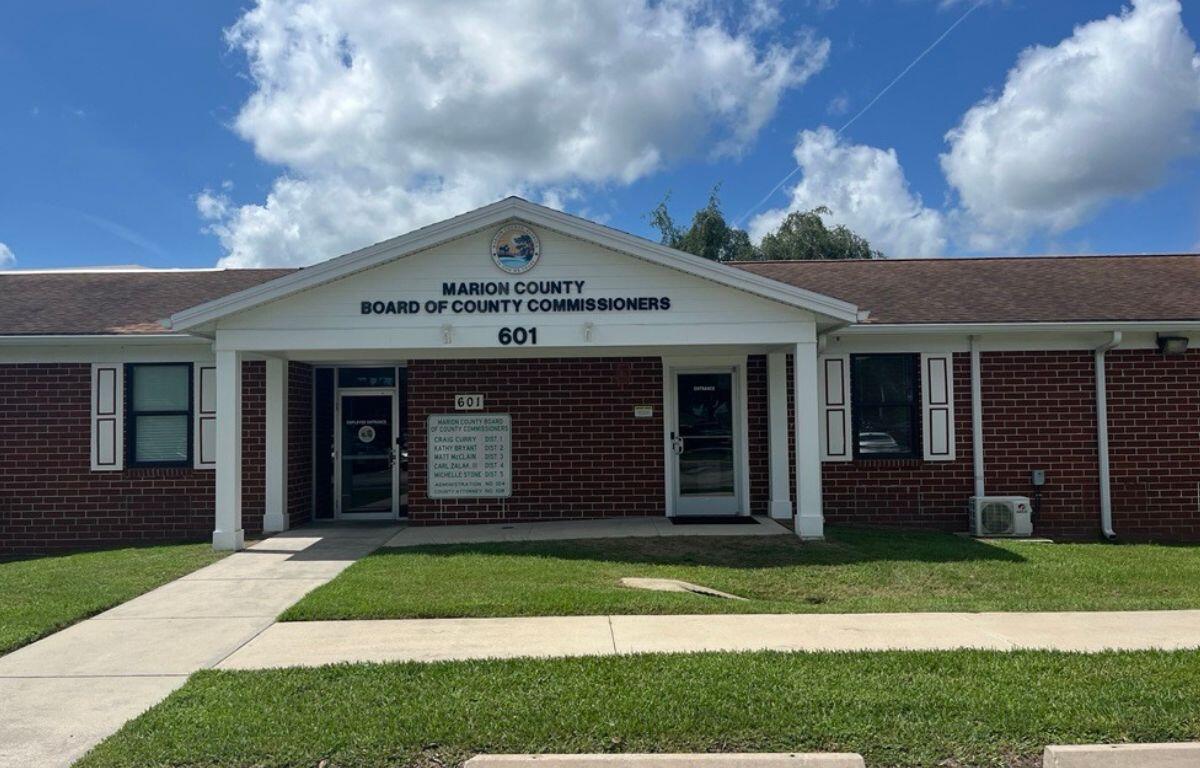
All three sessions will take place in the McPherson Governmental Campus Auditorium at 601 SE 25th Ave. in Ocala. Residents can view full agendas and stream meetings live or on demand here.
The announcement comes amid ongoing local discussion of data center development, including questions about water use, energy demands, infrastructure and economic benefits. County officials have previously signaled interest in studying the issue carefully before adopting new rules.