


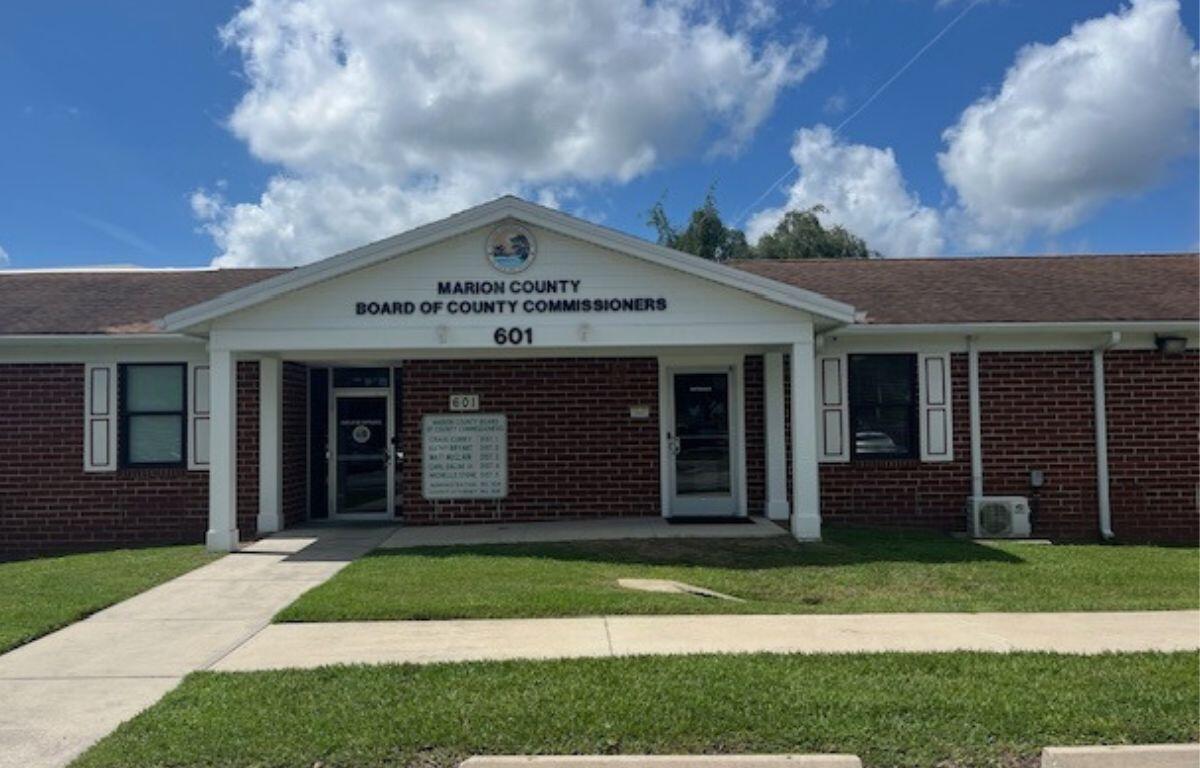

OCALA, FL (352today.com) – If you’ve watched an Ocala City Council or Marion County Board of County Commissioners meeting, you’ve probably seen it: The chair calls for a motion on the “consent agenda,” someone seconds it, a roll-call vote happens, and a whole list of items is approved in one stroke with almost no discussion.
It can look like decisions are being made behind closed doors. In reality, the consent agenda is a deliberate, transparent time-saving tool rooted in standard parliamentary procedure and used by local governments across Florida and the country.
So, how does it work in the 352? We dove in to find out.
What belongs on the consent agenda
Consent agenda items are supposed to be routine, non-controversial matters that require formal board approval but do not need debate. Typical examples include contracts awarded after competitive bidding, certain purchases already covered by an approved budget, meeting minutes, grants, easements, and other routine business.
Florida law does not establish which routine items must be placed on a county commission’s consent agenda, according to Marion County Procurement Director Susan Olsen. Section 125.01, Florida Statutes, gives county commissions authority to adopt their own rules of procedure. Certain matters, however, may still be subject to specific statutory requirements such as public notice, public hearings, or other prescribed approval processes.
For the City of Ocala, the process is guided by the City Council’s Rules of Order. Public Information Officer Greg Davis said those rules establish the criteria for what may go on the consent agenda.
“Generally, the consent agenda is reserved for routine, non-controversial matters that do not typically require individual discussion or debate by Council. The Rules of Order also identify specific categories of items that are appropriate for the consent agenda, including certain agreements, resolutions, grants, easements, meeting minutes, bids and other routine city business,” Davis said.
A clear financial threshold also applies. Article V of the rules allows donations of less than $100,000 and agreements with a total value not exceeding $100,000 to be placed on the consent agenda. The same limit covers many bids and solicitations for goods or services, as well as certain change orders. Acceptance or appropriation of grants and transfers of budgeted funds from reserves may also appear there.
In Marion County, the consent agenda is generally used for matters considered routine in nature and allows those items to be approved by a single motion, Olsen said. Public Information Specialist Stacie Causey noted that in county business the dollar value of an item does not automatically decide whether it belongs on consent.
Many major capital and transportation projects have already gone through years of planning, budgeting, and public approval. Road projects, for example, are often listed in the county’s Capital Improvement Program or Transportation Improvement Program long before any construction contract is put out for bid.
So, by the time the final contract reaches the commission for a vote, the board is usually just giving the formal green light to spend money that was already set aside and approved for that specific project.
How the public and board members can weigh in
According to Davis, the city’s goal is to post the full city council agenda and supporting materials on the city’s website by the Wednesday preceding each regularly scheduled Tuesday meeting. The agenda for the August 18, 2026, meeting, for example, was scheduled to be posted by close of business Wednesday, August 12, 2026.
Any member of city council or the public may request that a specific consent agenda item be removed for separate discussion and action. The number of items pulled varies from meeting to meeting. Once removed, the item is discussed under the “Consent Agenda Items Held for Discussion” portion of the agenda so it can be considered and acted on individually rather than as part of the group vote.
Each published agenda includes an explanation of the process. It states that consent items are considered routine and are enacted by one roll-call vote unless a council member or the public asks for an item to be pulled. Items are listed individually so the public can review them in advance.
Davis said he has never seen concerns that the consent agenda is being used to limit discussion or public scrutiny.
“The consent agenda process specifically allows any member of city council or the public to request that an item be removed from the consent agenda for separate discussion and action,” he said.
Marion County follows a similar approach. The county provides an opportunity for public comment on any agenda item at the beginning of the meeting, before consideration of the consent agenda. Any commissioner may also request that a consent agenda item be pulled for separate discussion.
From department to vote
According to Davis, City of Ocala consent agenda items follow the same internal preparation and review process as other city council agenda items. An item is initially prepared and submitted by the appropriate department. If it meets the criteria, it may be designated for the consent agenda. It then proceeds through review and approval by departmental supervisors or directors, followed by final administrative review by the assistant city managers and city manager. Once approved, the item and its supporting materials are included in the council agenda packet.
At the meeting, the consent items are considered together and enacted by one roll-call vote unless an individual item is removed for separate discussion.
Whether it is at the county or city level, the process is designed to keep meetings efficient while still giving the public and board members a clear path to ask questions or demand more scrutiny when something on the list warrants it.