


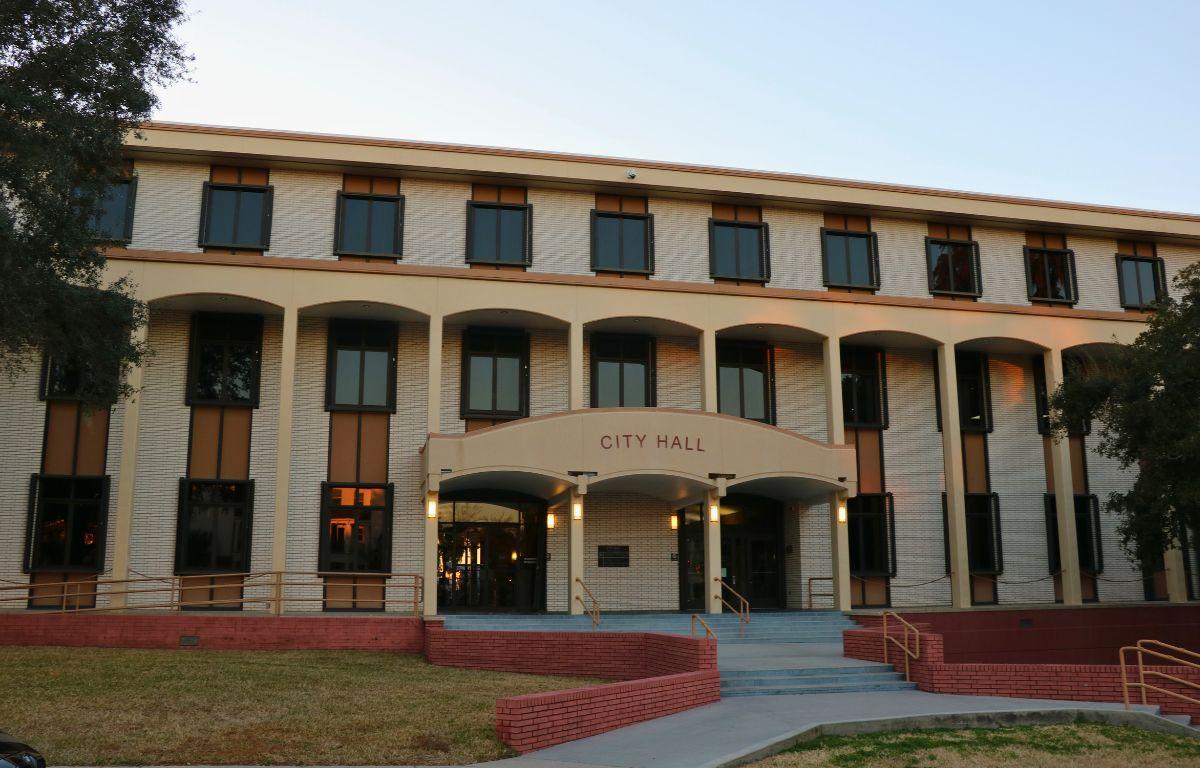

OCALA, FL (352today.com) – On September 9, 2026, the Ocala City Council unanimously adopted the city’s tentative fiscal year 2026-27 budget and millage rates, locking in a $1.27 billion spending plan that staff said is needed to hire critical employees and cover rising salary, benefit, and operating costs.
The special meeting at City Hall was the first of two required Truth in Millage hearings. Budget Director Tammi Haslam told council the proposed citywide operating millage of 6.6177 mills is the same rate now in effect. The clerk then announced that rate is 3.84 percent above the rolled-back rate of 6.3727. The city is not raising the millage number; the rolled-back rate is the millage that would raise the same property-tax revenue as last year when applied to this year’s taxable values, so any rate above it is treated under Florida law as a tax increase even if the millage itself does not change. Ad valorem revenue above rollback is earmarked for new positions and rising pay, benefits, and operating costs. The clerk announced a tentative General Fund of $207,375,596 and a citywide total of $1,269,705,929. A final public hearing was set for the regular City Council meeting on Sept. 15.
Council also kept the three Downtown Development District millage rates at the current levels of 1.7185 in District A (4.37 percent over rollback), 1.6332 in District B (5.62 percent over rollback), and 1.4699 in District C (8.08 percent over rollback), and adopted a tentative Downtown Development Fund budget of $856,159. Staff said the extra levy supports higher operating costs in the districts.
Separately, council adopted Resolution 2026-54 reimposing non-ad valorem fire assessments for FY 2026-27. Haslam said the rates use the same structure and methodology as the current year, with an $18.2 million revenue target. Collection will run under Florida’s Uniform Assessment Collection Act. That item also passed without public opposition.
Executive pay in the same budget cycle
The same week the tentative budget cleared, drafts of two-year employment agreements dated September 15, 2026, set new base pay for the city’s top appointed officials, effective November 1, 2026, through October 31, 2028. Those contracts were on the Sept. 15 agenda. Combined base salaries for the four posts the city has publicly posted total about $883,000.
Ocala City Manager Peter A. Lee’s proposed base salary is $267,608, up from $258,558 when he was last reappointed in 2024, an increase of $9,050. The city would also contribute 21 percent of salary to a 401(a) plan with Mission Square Retirement (about $56,200 a year at the new base), pay a $750 monthly car allowance, provide a city phone, and carry term life insurance equal to salary rounded to even thousands plus $100,000. Lee would receive any citywide cost-of-living increase given to other employees, plus 20 weeks’ severance and three months of administrative leave if terminated without cause. The raise lands as the council is also scheduled to hear an internal audit of a spring cyber-fraud incident that diverted $492,056.44 in a vendor payment; after bank recovery and insurance, the city’s net loss was reported at $27,799.81. The auditor’s report was submitted to Lee on Sept. 8. Lee said he learned of the missing funds in July, opened investigations, and that the city was the victim of a business email compromise.
City Attorney William Sexton’s proposed base is $255,386, up from $235,000 in the 2024 cycle, about $20,386. The city would contribute 20 percent of salary to the same 401(a) plan, pay a $500 monthly car allowance and a $200 monthly technology stipend in place of city hardware, and provide comparable life insurance.
Ocala Police Chief Michael T. Balken’s proposed base is $224,349, up from $216,762, about $7,587. He would receive a 20 percent 401(a) contribution, a city vehicle with operating costs paid by the city, a phone, and the same life-insurance structure. Unlike Lee and Sexton, Balken’s draft also states that he receives citywide cost-of-living increases automatically.
All three drafts keep 20 weeks of cash severance if the official is not reappointed without 90 days’ notice or is fired without cause, plus payout of earned PTO and continuation of health coverage for up to 20 weeks. “Cause” is narrowly defined (willful dereliction, certain criminal convictions, material dishonesty, and similar misconduct).
Haslam’s presentation tied the larger millage-over-rollback gap to “the addition of critical employees and increasing cost pressures related to salary, benefits, and operating costs.” The executive contracts are the most visible piece of that payroll picture. The tentative budget itself does not itemize every employee raise; those sit in department lines inside the $207.4 million General Fund and the much larger enterprise and pension funds that make up the $1.27 billion total.
Council voted to approve the final millage, final budget, and the employment agreements at its Tuesday, September 1, 2026 meeting.