


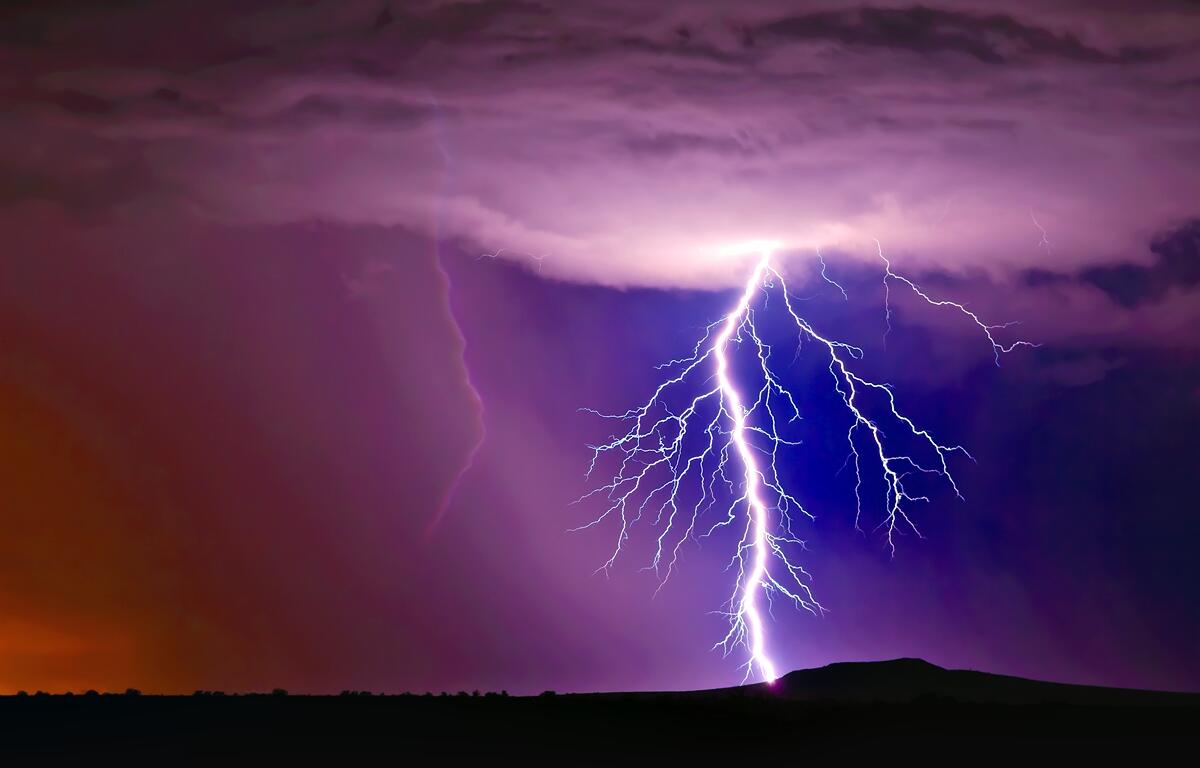

GAINESVILLE, FL (352today.com) – Crack! Boom! We’re entering the daily summer thunderstorm season in Florida. The clouds roll in and, with them, you sometimes see lightning in the distance. Then you hear thunder.
With 50 deaths from 2015-2024, Florida leads the nation in lightning-related fatalities, according to the Lightning Safety Council. It’s not just a matter of personal safety. Lightning caused about $1.2 billion worth of damage in 2023, according to an Ask IFAS document.
Lara Milligan and Shannon Carnevale, UF/IFAS Extension natural resources agents for Pinellas and Polk counties, respectively, hosted a podcast episode about lightning. Called “All About Lightning,” this episode of the Naturally Florida podcast educates listeners about this sometimes-scary phenomenon.
“We realize that many of our listeners are new to Florida, and as someone that has volunteered with many families who are not from Florida, I think our pop-up storms are a very unique feature these folks may not be familiar with,” Milligan said.
So, we asked Milligan and Carnevale to bust a few lightning myths.
- Myth: Once inside, lightning can’t harm me.
- Fact: While indoors, the possibility of lightning harming a person is low, but you’re never completely out of harm’s way. If lightning strikes the house or the structure’s power source, electricity can travel down a wire and reach a person holding a plugged-in device. So, avoid holding such devices during a storm. Also, don’t bathe during lightning storms because water conducts electricity.
- Myth: I’m trying to find shelter anywhere. What about a tree? I’ll be safe because lightning will strike the tree, not me.
- Fact: Do not take shelter under a tree. When lightning strikes a tree, it can travel down the trunk into its root system and spread into the surrounding area. If the lightning travels into the root system, then electrocution by the ground current is possible.
- Myth: It’s just starting to thunder, or it’s just a little thunder. I’m fine.
- Fact: If you hear thunder, you’re close enough to be struck by lightning. As the saying goes, “When thunder roars, go indoors.”
The safest place to be during a thunderstorm is inside a building, Carnevale said. If you hear thunder or see lightning, it’s time to go inside. If you’re far away from buildings, getting into a fully enclosed car can be a safe place to hide. If you’re in a boat or swimming, get out of the water and head inside.
Carnevale offers some other lightning safety tips before you venture out:
- Consult a weather app or station when planning or attending an outdoor event.
- Stay safely indoors until 30 minutes after the thunder stops.
- Have a reliable source of communication such as a charged cellphone, radio, etc.
- If you’re going out in the wilderness, tell someone else about the general area you will be, and the expected time you’ll return.
Carnevale offers common sense perspective about lightning.
“I don’t think people need to fear lightning, but I do think a healthy amount of respect for its power is appropriate,” she said. “Don’t put yourself at risk; have a lightning plan if you are planning to enjoy the outdoors during storm season.”
To learn more about lightning safety tips, please read this blog that Carnevale wrote.
More news that matters to you…
-
Marion County Commissioners approved goats for one Dunnellon family after denying a similar request nearby
Neighbors and the family whose earlier application was rejected raised questions about consistency after commissioners unanimously granted a reasonable accommodation for three goats on an R-1 property.
-
Jaded: Aerosmith Tribute rocks the Reilly to recreate one of America’s premier rock bands Oct. 17
WIND-FM’s ‘Rocks the Reilly’ series continues with the ultimate tribute to Boston rock ‘n’ roll bad boys Aerosmith.
-
Stay Safe & STEADI Marion brings fall prevention resources to local seniors
Stay Safe & STEADI Marion returns Nov. 6, bringing seniors, caregivers and healthcare professionals together for practical fall prevention and home safety resources through the CDC’s STEADI program.
-
3-car collision on SR 200 in Ocala results in traffic diversion, 1 being hospitalized
The incident occurred Monday morning at SR 200 and SW 20th Court in Ocala.
-
Trenton man arrested for child pornography
LCSO investigators took 43-year-old Evan Douglas McQuinton into custody on Wednesday and charged him with multiple offenses.