


GAINESVILLE, FL (352today.com) – UF/IFAS researchers are mining Hurricane Helene data to better understand the spread of pitch canker and minimize the devastating disease’s impact on the timber industry, an important economic driver in the southeastern United States.
Their project, “Gone with the wind: hidden forest health consequences of Hurricane Helene,” is one of four projects funded by the National Institute of Food and Agriculture’s Rapid Response to Extreme Weather Events Across Food and Agriculture Systems program, the agency announced last week. Pitch canker is one of the most damaging diseases impacting natural and commercial pine forests around the world. It’s caused by Fusarium circinatum, a fungal pathogen that obstructs the movement of water through plant tissues, killing parts of the tree or the tree itself.
“In some years, pitch canker outbreaks have been serious enough that entire plots of trees had to be removed, causing important losses to growers because the trees were not yet large enough for harvesting,” said principal investigator Tania Quesada, a research assistant scientist of forest genetics and pathology in the UF/IFAS School of Forest, Fisheries and Geomatics Sciences. “So, instead of using the trees for lumber, which is more profitable, growers had to mulch them or use them for pulp, which lowers the return on their investment.”
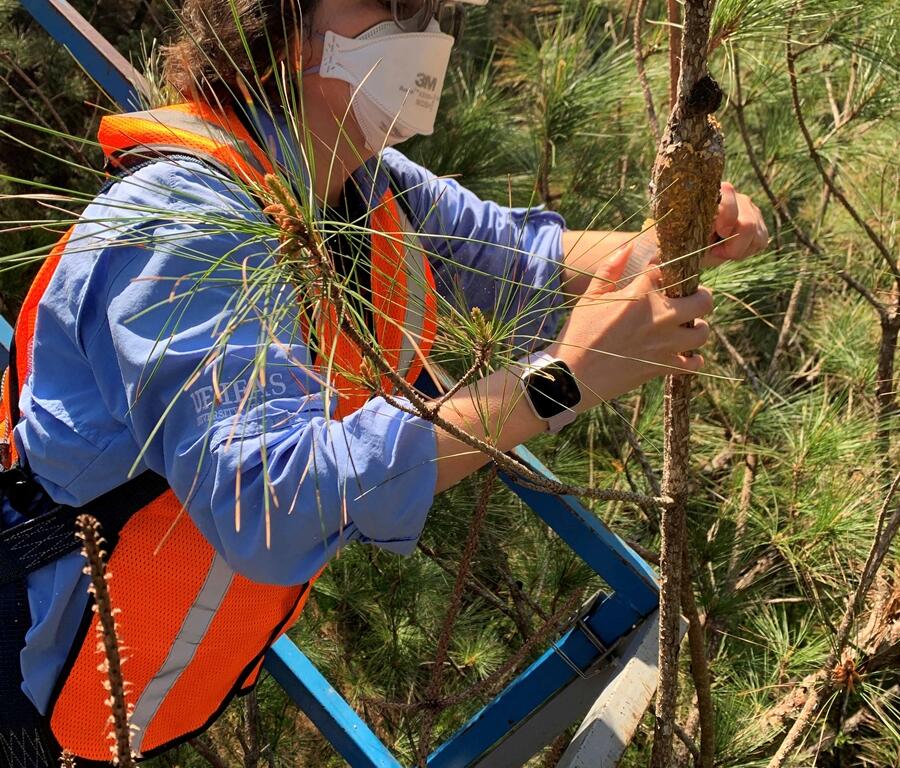
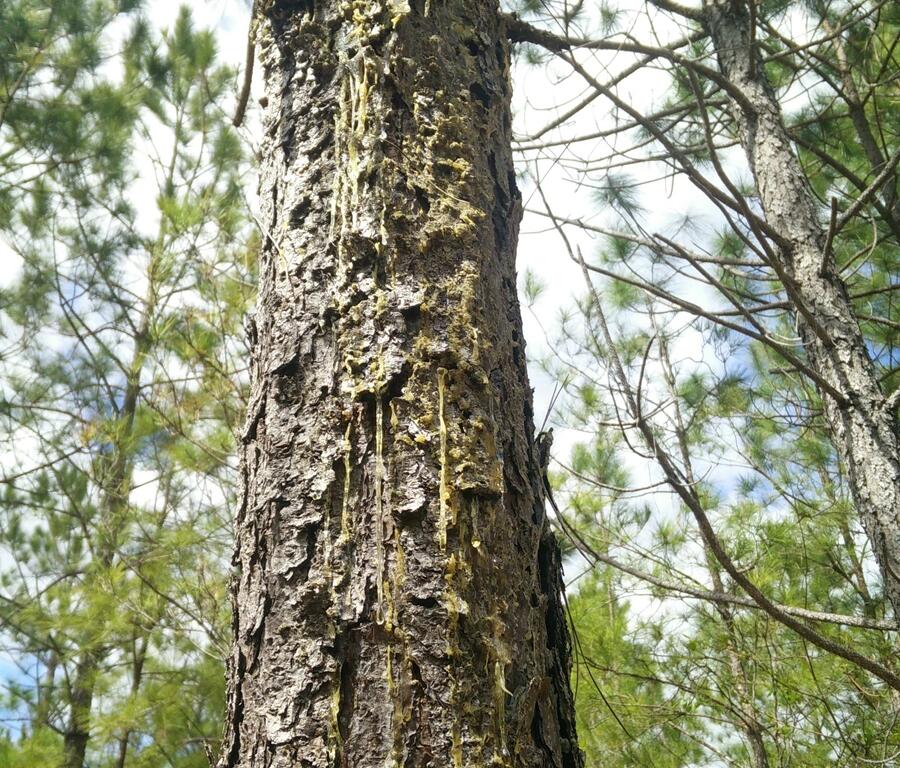
Pitch canker outbreaks are episodic, but cases in loblolly and slash pines have increased in recent years, according to the researchers’ grant proposal. Anecdotal evidence suggests outbreaks occur several months after severe storms and hurricanes, and scientists think strong winds are partly to blame.
Wind can damage trees as airborne objects strike bark or limbs break, and the resulting wounds provide openings for Fusarium circinatum to enter tree tissue, Quesada said. Wind also helps fungal spores reach the wounds, and physical stress caused by wind can hinder trees’ defense response to the pathogen.
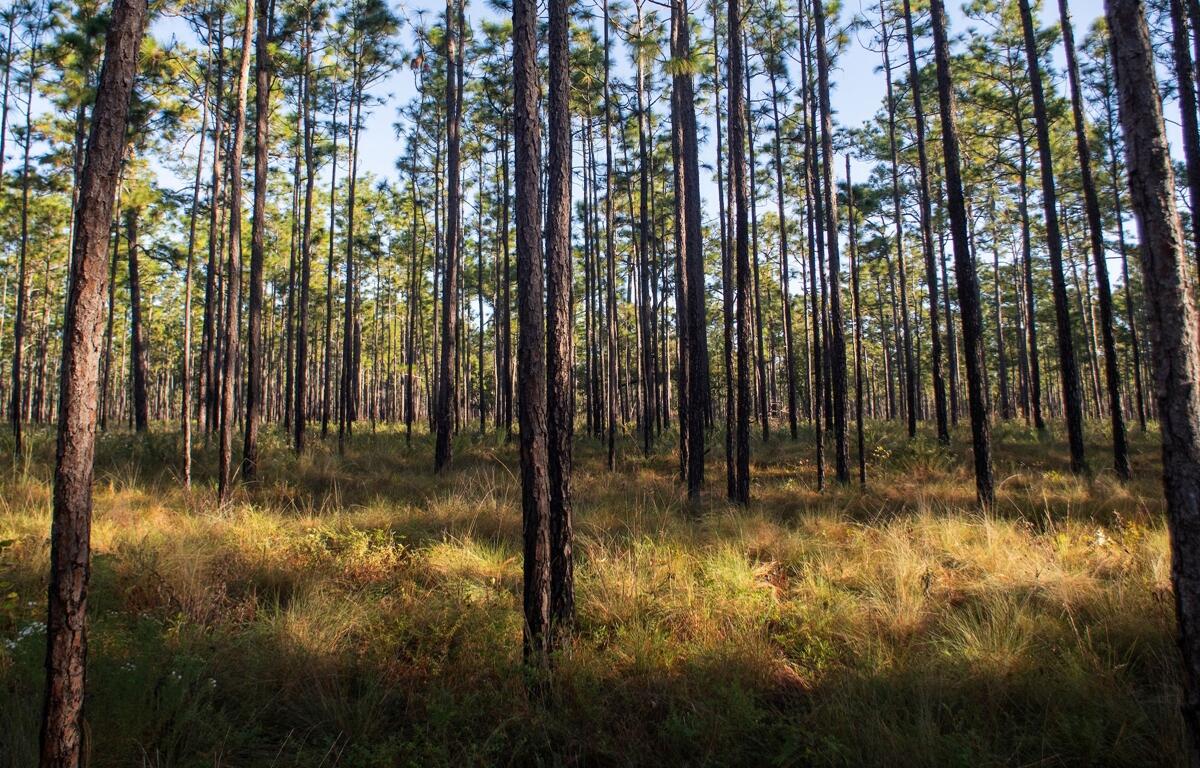
Working closely with growers, Quesada and her colleagues will collect and analyze data from pine forests located at different distances from Hurricane Helene’s path. By measuring mortality and disease symptoms at different times among trees that experienced different wind speeds, they intend to create a timeline of post-storm effects, so growers know what to expect after a storm, and they can plan accordingly.
The researchers hypothesize that pitch canker disease and wind damage will be more severe closer to Helene’s path, where higher wind speeds were recorded, and they are interested in quantifying that damage.
Years of historical data and genetic information from field trials associated with the Forest Biology Research Cooperative (FBRC), which facilitates research between UF and the timber industry, provide historical reference. By examining how pines of different genetic families tolerate pitch canker exposure, the research team will establish breeding values for each, ranking them so the most resilient trees are planted in the future.
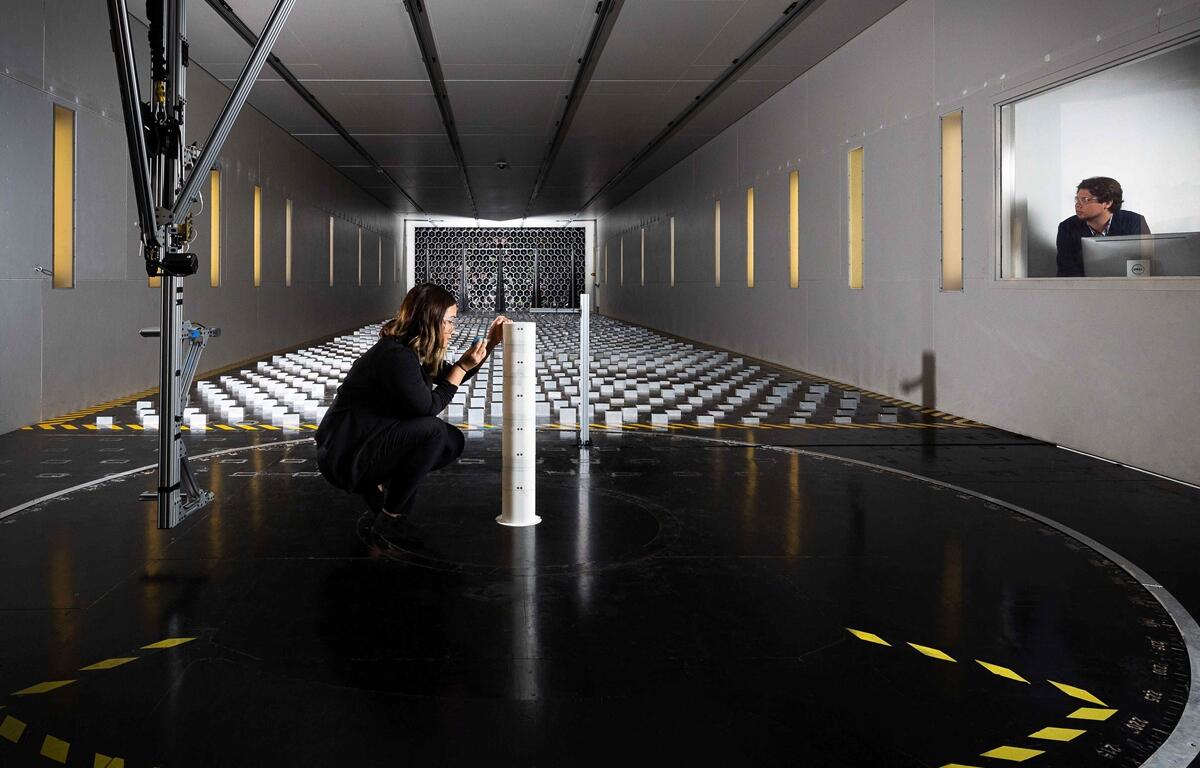
Controlled experiments will supplement field work: Pine saplings and pine branches not exposed to Hurricane Helene will experience replicated conditions courtesy of the University of Florida’s Natural Hazards Engineering Research Infrastructure (NHERI) Boundary Layer Wind Tunnel. Afterward, the researchers will expose the saplings and branches to pitch canker and examine them for dysfunction.
By the end of the project, the researchers anticipate publishing an open-access research article and documents meant to guide the timber industry. They also hope their work complements current timber damage models.
“We are very excited to work on this project and learn more about how extreme weather affects forest health, and we are looking forward to disseminating our findings as we go along,” Quesada said. “We think that the data generated will open the doors to the potential of developing new projects that will help us better understand the effects of extreme winds in tree physiology, plant-pathogen interactions and genetics.”
More news that matters to you…
-
Marion County Commissioners approved goats for one Dunnellon family after denying a similar request nearby
Neighbors and the family whose earlier application was rejected raised questions about consistency after commissioners unanimously granted a reasonable accommodation for three goats on an R-1 property.
-
Jaded: Aerosmith Tribute rocks the Reilly to recreate one of America’s premier rock bands Oct. 17
WIND-FM’s ‘Rocks the Reilly’ series continues with the ultimate tribute to Boston rock ‘n’ roll bad boys Aerosmith.
-
Stay Safe & STEADI Marion brings fall prevention resources to local seniors
Stay Safe & STEADI Marion returns Nov. 6, bringing seniors, caregivers and healthcare professionals together for practical fall prevention and home safety resources through the CDC’s STEADI program.
-
3-car collision on SR 200 in Ocala results in traffic diversion, 1 being hospitalized
The incident occurred Monday morning at SR 200 and SW 20th Court in Ocala.
-
Trenton man arrested for child pornography
LCSO investigators took 43-year-old Evan Douglas McQuinton into custody on Wednesday and charged him with multiple offenses.