


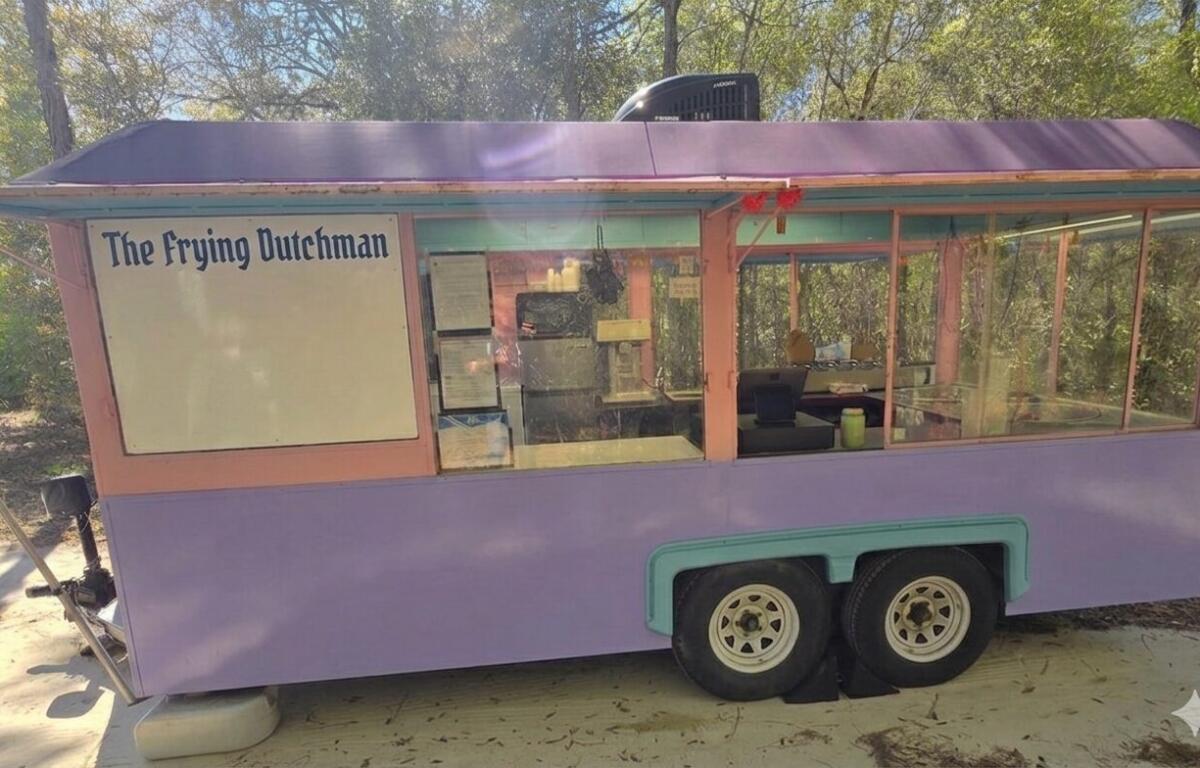

INVERNESS, FL (352Today.com) – For Sandra Barbour, without the income from her food truck, she is unsure she will make it through the week.
“A lot is going on that I’m kind of frustrated about, and that none of the food truck owners are actually stepping up. I actually had one of them tell me to keep my head down and not make waves. It’s frustrating because all of them are scared to say anything because they’re afraid of putting a target on their back,” Barbour said.
Independent food truck operators in Citrus County are facing sudden economic displacement after the City of Inverness Code Enforcement forced several popular vendors, including Barbour, out of the local Walmart parking lot in early July 2026. The crackdown, which threatens property owners with fines for hosting the mobile businesses, has prompted Barbour and other vendors to petition Governor Ron DeSantis directly, accusing local governments of using zoning rules and costly special event permits to skirt state protections for food trucks.
“I’m frustrated because the fact is the cities and the counties–and I’m not just talking about Inverness and Citrus County, I’m talking about Pinellas, I’m talking Marion County, I’m talking Ocala–all those places are using zoning to skirt the law that DeSantis just put into effect for food trucks, and it’s really aggravating me because the fact is, we have no place to set up,” Barbour said. “The issue is the place in Walmart in Inverness, which would get us through the week, and now we’re depending on family to bring us food because we can’t even make it through the week to get [our food trucks] to the flea market on the weekend.”
Barbour, owner of the Frying Dutchman food trailer, had relied on the Walmart location for nearly a year to bridge the gap until weekend flea market sales.
“We have been relying on relatives bringing us food because we can’t even buy groceries,” she said. “I’m talking about everything–buying groceries, paying bills. I’m talking about paying for groceries for the food truck for the weekend, and gas to go anywhere. I’m talking about everything.”
The removal came abruptly in early July.
“We went to the Inverness Walmart to set up our food trailer,” Barbour recalled. “We have been going to that location on and off, maybe one or two times a week, for several months. That afternoon, shortly after lunch, the store manager and the assistant manager came out to our trailer and told us that corporate is no longer allowing food trucks in the parking lots across the region.”
The manager cited code issues with the county, possible property damage and traffic hazards.
Florida Statute 509.102 preempts local governments from requiring separate licenses or fees for mobile food dispensing vehicles and prohibits total bans. Yet cities and counties can still regulate zoning and locations. Inverness and Citrus County ordinances tie regular food truck operations on private property to approved special events and permits, which vendors say effectively blocks daily business.
Barbour argues local officials are exploiting this loophole.
“The cities and the counties are using zoning to skirt the law that DeSantis just put into effect for food trucks,” she said.
She has avoided direct contact with code enforcement after hearing it only “puts a target on your back.” One woman who attempted to open a food truck court on her own land in Inverness was reportedly told it was not a “good fit” for the small town, according to Barbour.
In her petition to the governor’s office, Barbour wrote that “Florida food trucks are facing an existential crisis.”
“Despite paying state taxes, obtaining commercial licenses, and maintaining full insurance, we are being completely boxed out by anti-competitive local ordinances. Forcing us out of high-traffic locations like Walmart by threatening the property owners with massive code violations is destroying the livelihoods of families who have invested thousands of dollars into their businesses,” she wrote.
Her goal is for the governor to step in and stop the cities from banning food trucks.
Barbour and a coalition of vendors are calling for a review of municipal zoning restrictions to safeguard Florida’s mobile small business economy. Many operators have sunk thousands into licensing, inspections, insurance and equipment, only to face scarce parking options or closure. One food truck owner known to Barbour has already shut down, while another bought commercial property after failing to find legal spots.
This Inverness food trucks Walmart situation highlights tension between state preemption laws intended to support small entrepreneurs and local code enforcement practices. Without stronger intervention, vendors warn that legitimate family businesses could be driven out, limiting options for residents in Inverness, Ocala and other North Central Florida communities.
“The only place for us to go is out of business,” Barbour said.