OCALA, FL (352today.com) – Long before the Silver River was part of a state park system, it was divided – not by currents, but by color. From 1949 to 1969, Paradise Park served as a segregated leisure destination for African American visitors during a time when they were barred from entering Silver Springs.
Located directly across the river from the famed Silver Springs attraction, Paradise Park was a product of the Jim Crow era, when segregation laws dictated separate facilities. Rather than integrating Silver Springs, William Carl Ray and W.C. Davidson – the same entrepreneurs responsible for Silver Springs – created a mirrored attraction for Black tourists.
Despite the circumstances for its creation, Paradise Park was no afterthought. It featured glass-bottom boat tours, a beach and swimming area, concessions, picnic shelters, nature trails and even a mini-zoo. The staff were courteous, the grounds beautifully landscaped and the atmosphere joyful. Church groups, schools, civic organizations and families would travel to experience the park, particularly during summers and holidays.
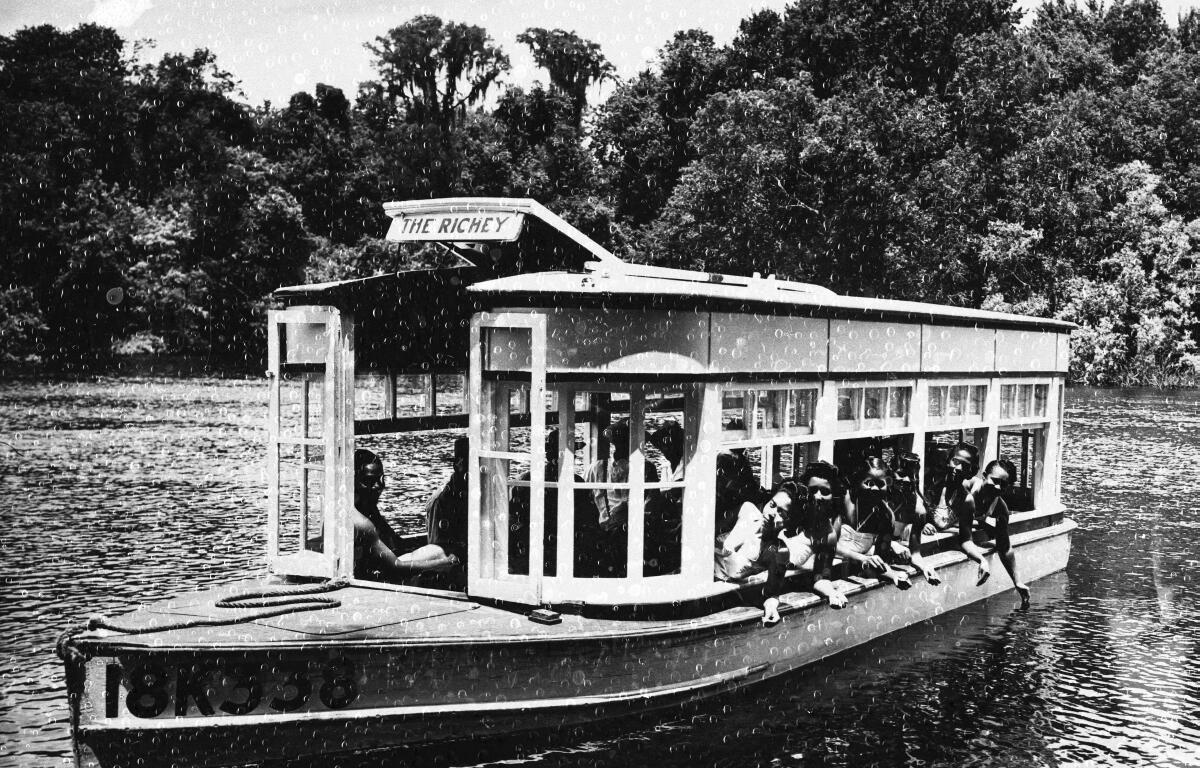
Paradise Park became a cultural landmark, hosting pageants, dances, baptisms and social gatherings. More than a recreational spot, it was deemed a sanctuary to those who visited – providing a safe, affirming environment for communities during a time of exclusion.
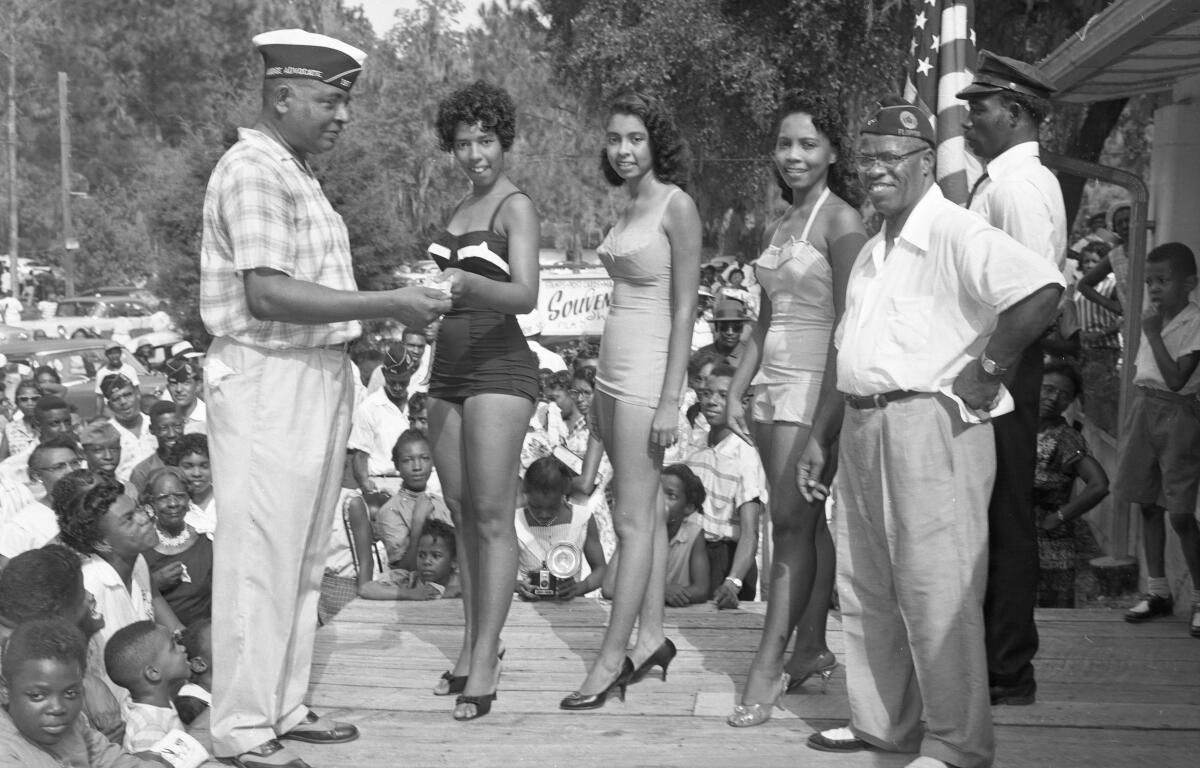
But Paradise Park was always tethered to the system that necessitated its existence. When the Civil Rights Act of 1964 prohibited segregation in public accommodations, attendance at the park began to decline. With integration slowly being enforced at Silver Springs, Paradise Park quietly closed in 1969.
After its closure, the facilities were left to deteriorate. Structures were eventually removed, nature reclaimed much of the land and no official preservation efforts took place for decades. However, the significance of the site was not forgotten by the community.
In recent years, efforts have been made to recognize and commemorate Paradise Park’s history. In 2016, a Florida Heritage Site marker was installed near the site, now part of Silver Springs State Park. Visitors can reach the area by trail, though no original buildings remain.
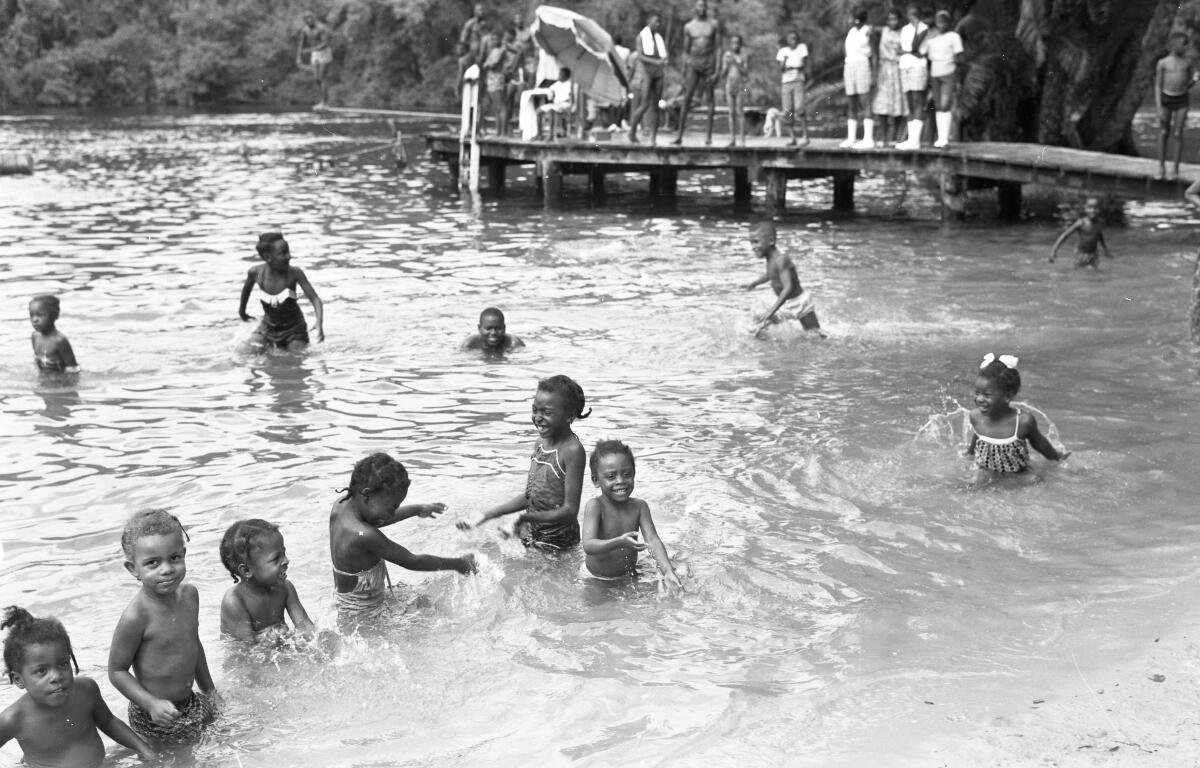
Today, historians, former visitors and civil rights advocates continue to honor Paradise Park – not as a relic of segregation, but as a powerful reminder of cultural resilience, joy and community under oppression. It may have been created because of division, but it fostered unity and celebration for those who needed it most.
-
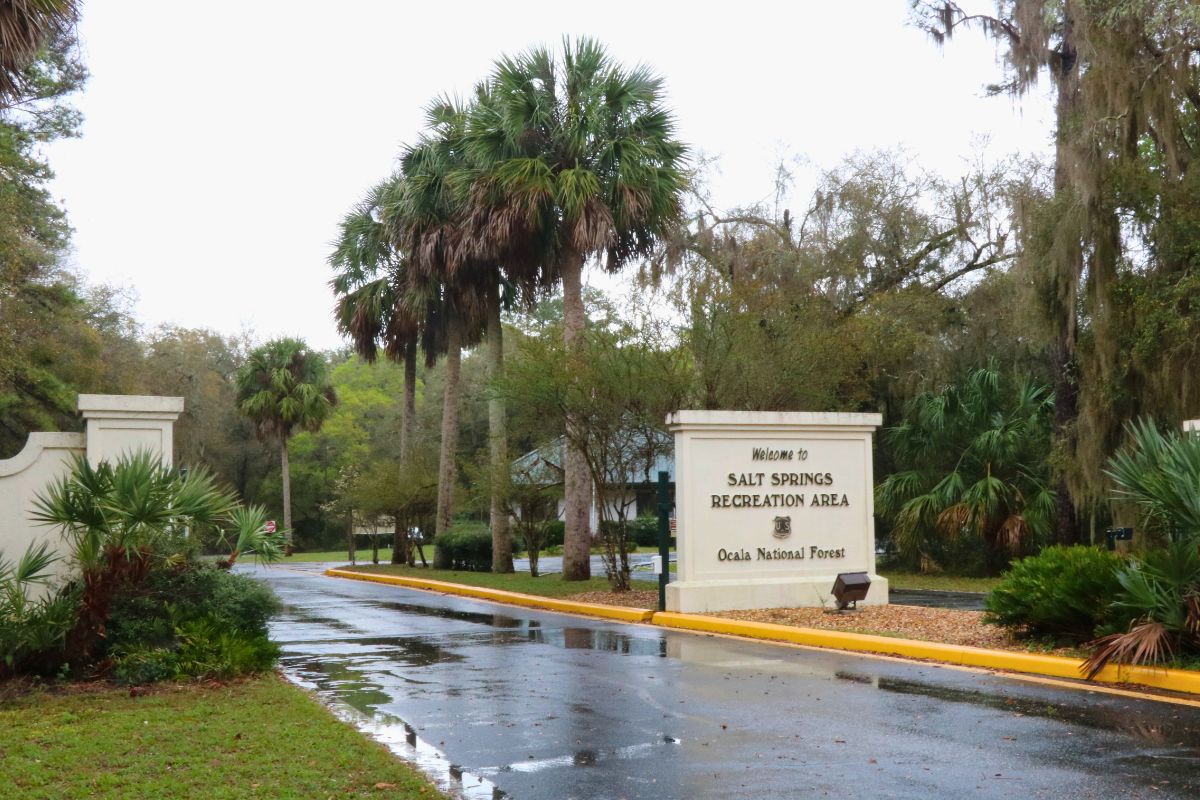
352Today Spring Guide 2026: Explore These Natural Springs in the 352

Spring Break is the perfect opportunity to explore natural springs, learn their history and partake in family friendly activities.
-
Defunct Ocala: The Carriage Cavalcade, a Forgotten Showcase of Transportation History
During the height of Silver Springs’ reign in Ocala, one of its many attractions blended natural wonders with transportation history.
-
Defunct Ocala: Florida’s Rattlesnake Canning Craze and Its Curious Legacy
From the early 1930s through the mid-20th century, the operation of rattlesnake harvesting and canning dominated Florida until wildlife protection initiatives took hold.
-
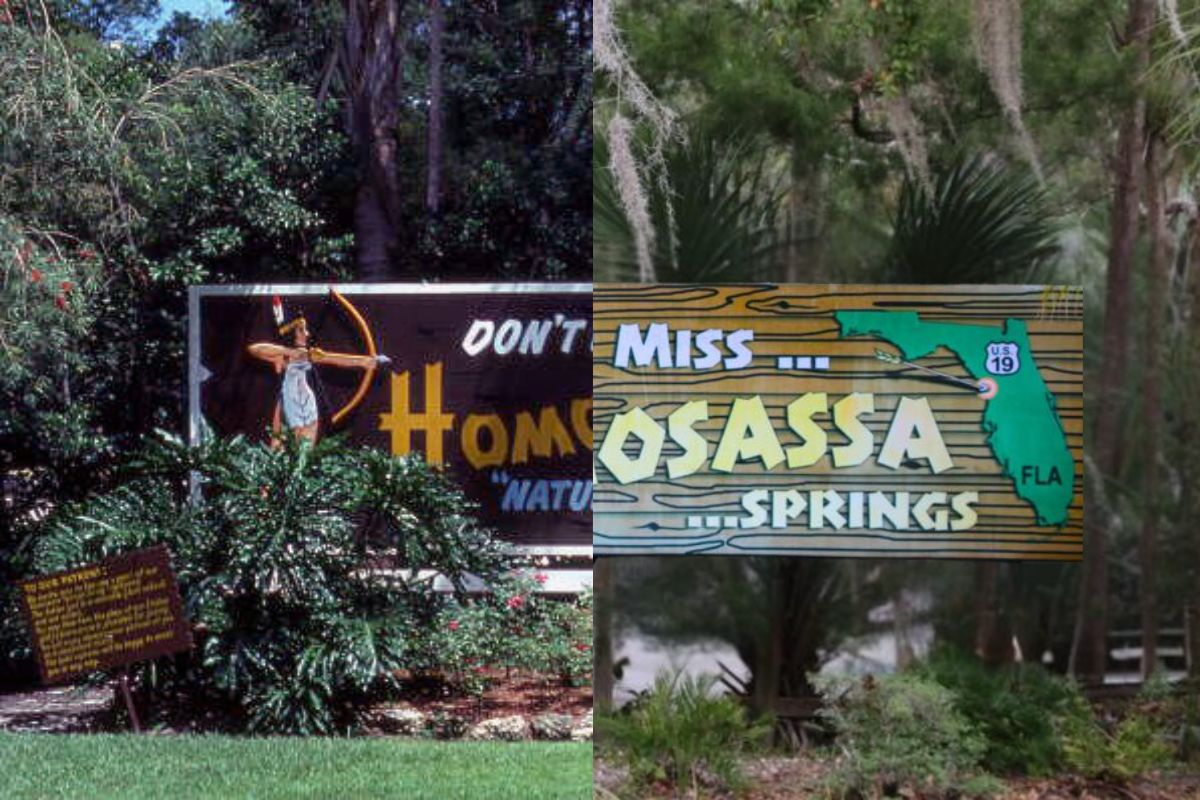
Defunct Ocala: Homosassa Springs’ Roadside Roots and State Park Revival
Once a kitschy roadside attraction complete with underwater observatories and animal actors, Homosassa Springs has evolved into a Florida state park where echoes of Old Florida tourism now coexist with conservation and native wildlife protection.
-
Here Are the Most Popular 352today.com Stories of 2025

These are the local stories that grabbed the 352’s attention this year.
-
Here Are the New Businesses We Know Are Slated to Open in the 352 in 2026
New construction projects slated for 2026 are underway to cater to the rising expansion in the 352.