



OCALA, FL (352today.com) – Veterans and National Guard members face preventable healthcare risks when civilian providers never learn they served. That’s a main point underscored on Friday, August 21, 2026, at a National Guard and Veteran Critical Healthcare Briefing hosted by Vet Resource Center, Inc.
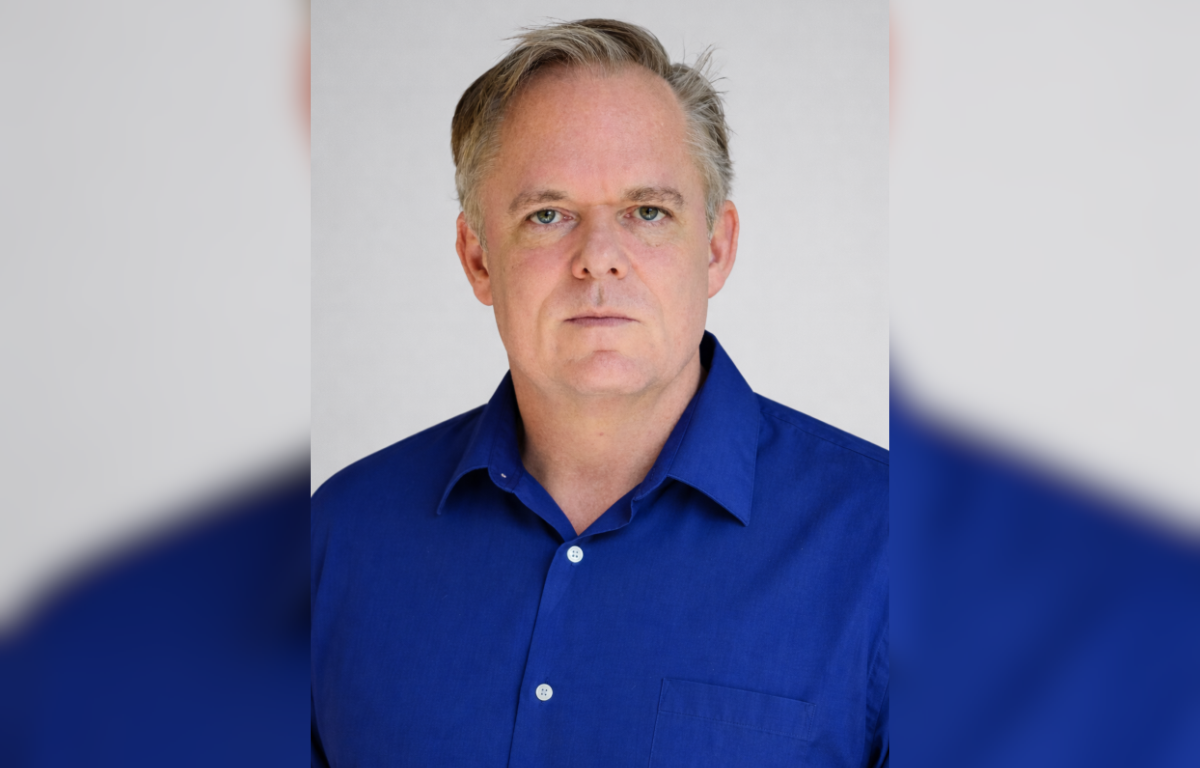
The free public event, held from 1 to 2 p.m. at the Elliot Center in Ocala, examined those risks and practical steps to improve military service-informed care in Florida. The keynote was delivered by independent candidate for Florida’s 3rd congressional district, Mike Klein, chairman and co-founder of Warrior Centric Health, president of the West Point Society of Gainesville, and a Desert Storm combat veteran who served with the 25th Infantry.
Klein told the audience that many veterans and National Guard members receive care outside the VA, yet civilian doctors and health systems often never ask the basic question: “Have you served in the U.S. Armed Forces?” Without that information, exposures, injuries, and conditions linked to military service can go unrecognized, undiagnosed, and untreated.
The issue is personal for Klein. His younger brother Eddie followed him first to West Point, then to Infantry. While serving in Afghanistan, Eddie stepped on an improvised explosive device (IED); the explosion cost him three limbs. Watching his brother’s long recovery, Klein said, shaped a more than decade-long commitment to raising the quality of care for service members, veterans, and their families through Warrior Centric Health.
He pointed to the consequences of the gap in civilian care, referencing an Emmy Award-winning short video that documents the story of SFC Matthew Fast. “Too often, veterans are used as political props and ignored after the photo ops end,” Klein said. “After all that veterans sacrifice while serving our nation, the military and veteran community has every right to expect, and should demand, military service-informed care.”
Klein described the need for healthcare facilities to screen every patient for military affiliation, record that information in electronic health records, formally recognize the service-member community as a vulnerable population, and align with best practices already established by the Joint Commission, standards in place in states such as Maryland and Virginia.
The briefing focused on how other states are addressing these risks and what can be done in Florida with stronger support and advocacy from the military and veteran community.
In a separate interview, Klein addressed practical barriers facing veterans outside the VA system. When asked what he would advise in a hypothetical scenario where a 100 percent disabled veteran has a prosthetic leg that no longer fits amid months-long delays, he said the first step is often using TRICARE (the military’s healthcare network for those still in active duty) in the commercial sector while navigating a “mind-numbingly complicated” mix of insurance products.
He noted that lower-ranking veterans frequently lack the confidence or knowledge to push through the bureaucracy and urged them to turn to specialized charities for help.
“Veteran suicide is a commercial healthcare crisis, and nobody knows about it,” he said, pointing out that roughly 70 percent of veteran suicides involve those treated outside the VA.
On related questions of healthcare access, Klein said both major parties have used immigration as a political weapon and called for comprehensive reform, arguing that sick people should be treated. “I believe in love thy neighbor,” he said. “If someone’s sick, we heal them.”
The briefing left attendees with a clear message: The gap between military service and civilian medical care remains wide, but solutions already exist in other states and can be advanced here through consistent screening, better data, and sustained advocacy from the veteran community itself.