


OCALA, FL (352today.com) – This article is the first in a two-part series highlighting the life and legacy of Rev. Leroy Johnson, a trailblazing pastor, businessman, and community leader who helped transform Ocala’s African American community during a time of deep racial injustice. Part two will be published Friday, July 4.
It was during his youth that Larry Johnson began hearing the stories about his father, the Rev. Leroy Johnson, a man who transformed the community through his actions and influence, providing opportunities for Ocala’s African American residents when few existed.
It was a time when racism and discrimination ran rampant in Ocala, where opportunity was sparse and systemic oppression widespread. African Americans faced daily adversity, locked out of management roles and property ownership.
“In the early 1960s, Black back then, Black people weren’t in management positions,” said Larry Johnson. “My father noticed that nobody owned anything here in Ocala because it was difficult for them to get something because white people back then wouldn’t let Black people make enough money to own anything.”
Determined to change that, Rev. Johnson relocated to New York City, where he found work in a Harlem restaurant. His strong work ethic, integrity, and business sense led to him becoming a partner in the establishment.
“He was sending money home to my grandmother and to some of my aunts, and then he said, ‘I’m going back to Ocala and change some things,’” said Johnson. “So, he came back here, and the first thing he did was get the diner on the square and ran the diner successfully.”
But as desegregation reshaped the social landscape, it came with unintended consequences.
“When desegregation hit, Black people stopped coming to his restaurant because they wanted to go to white people’s restaurants because they could finally go,” said Johnson.
Rather than be discouraged, Rev. Johnson saw new opportunity. With an eye toward resilience and inclusivity, he pivoted toward other ventures.
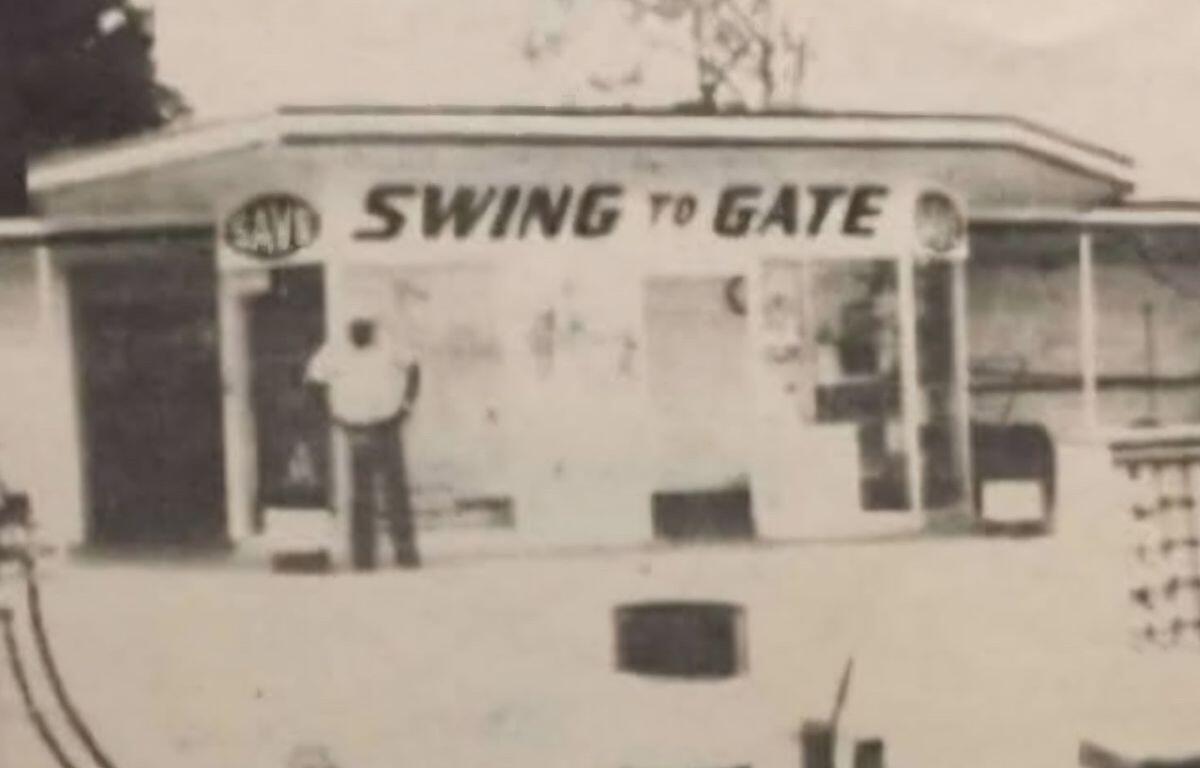
“From being a businessman, and what he learned in New York, he said, ‘I’m going to get something that anyone can buy; and it doesn’t matter what color they are,’” said Johnson. “He went out and got a gas station, the one that’s now the Marathon Station on the corner of Pine and 200, and it’s still there, and he had it back in the mid and the late 1960s.”
But owning a gas station also meant enduring targeted harassment.
“The business was being harassed, they were breaking windows, but they weren’t stealing items from the store – oil, potato chips, soda – they were spraying the ‘N’ word and ‘get off Pine,’” said Johnson. “They were just destroying his business. That made people scared to come there to buy anything.”
Refusing to be intimidated, Rev. Johnson sold the Pine property and opened another station on SR 40.
“He had that from 1971 to 1984,” said Johnson.
What came next would cement Rev. Johnson as one of the most admired men in Ocala’s history.
More news that matters to you…
-
Florida company CoAd’s 9th Annual Grip It and Rip It for Kids tournament tees off Nov. 26
Players will drive and putt to benefit Ocala’s Arnette House on Monday.
-
Gators at the bye: Five defining moments of 2026 season
Florida’s first season under coach Jon Sumrall has already delivered plenty of highs and lows.
-
Marion Cultural Alliance marks 25 years with $500K+ economic impact and a new arts app
The Marion Cultural Alliance’s Horse Fever sculptures include 80 painted horses across Ocala, with 12 owned or maintained by the city.
-
Project Pawsitivity: Meet Atlas, a lovable little littermate
Atlas is young, but not too young to go to his new forever home from the Humane Society of Marion County.
-
Ocala Councilman Hilty votes against City Manager Pete Lee’s reappointment, citing concerns
During discussion of the People’s Gas franchise renewal, Hilty questioned why the contract had gone years past its expiration date without formal action.